Photo via Fox5 Atlanta
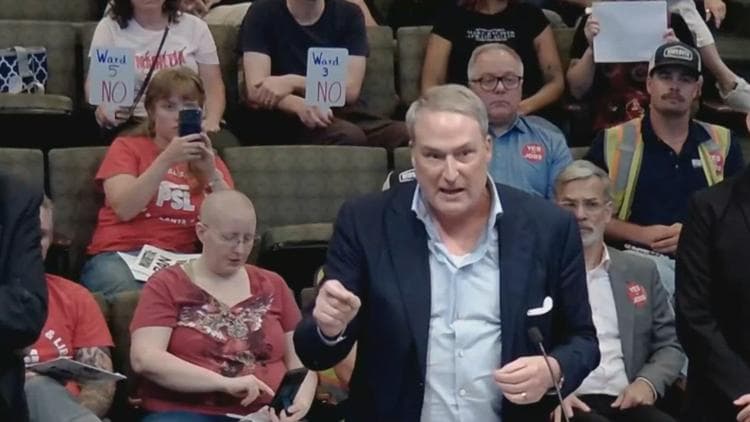
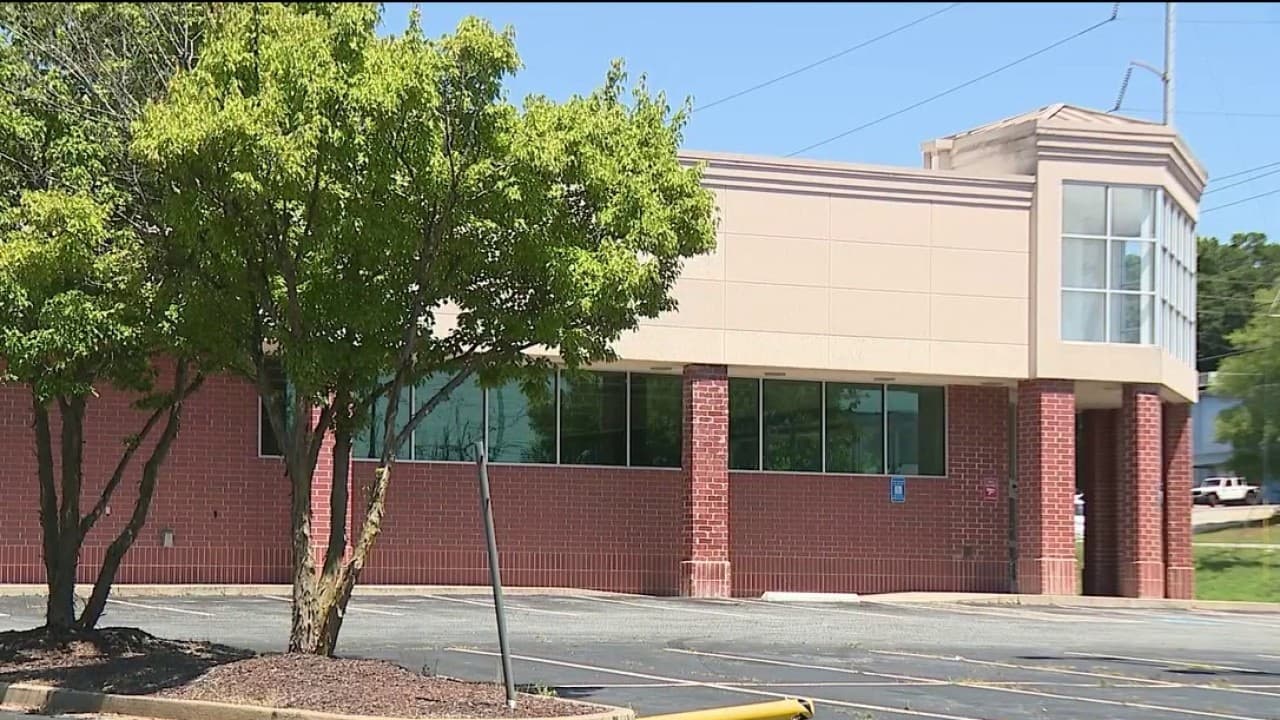
A proposed liquor store development at the intersection of Covington Highway and South Hairston Road in DeKalb County has sparked organized community opposition, according to Fox5 Atlanta. Local activists and residents are coalescing around concerns about the retail project, signaling potential challenges for developers navigating neighborhood sentiment in the metro Atlanta market.
The proposed location sits in a strategically important commercial corridor within DeKalb County, where real estate decisions increasingly face scrutiny from organized community groups. For retailers and developers operating in the Atlanta region, this case illustrates the growing importance of community engagement and local buy-in before moving forward with commercial projects.
Community-led opposition to retail developments has become a recurring dynamic in Atlanta's suburban markets, where neighborhood associations wield considerable influence over zoning and permitting decisions. Real estate professionals and retailers must now factor in extended timelines for community review and potential legal or procedural challenges when planning new locations.
The situation underscores broader trends in Atlanta's retail landscape, where successful projects increasingly require demonstrating community benefits and addressing resident concerns. Developers and commercial stakeholders in the region should view early stakeholder engagement not as an obstacle but as a critical component of feasibility planning for new retail ventures in DeKalb County and similar markets.