Photo via Fox5 Atlanta
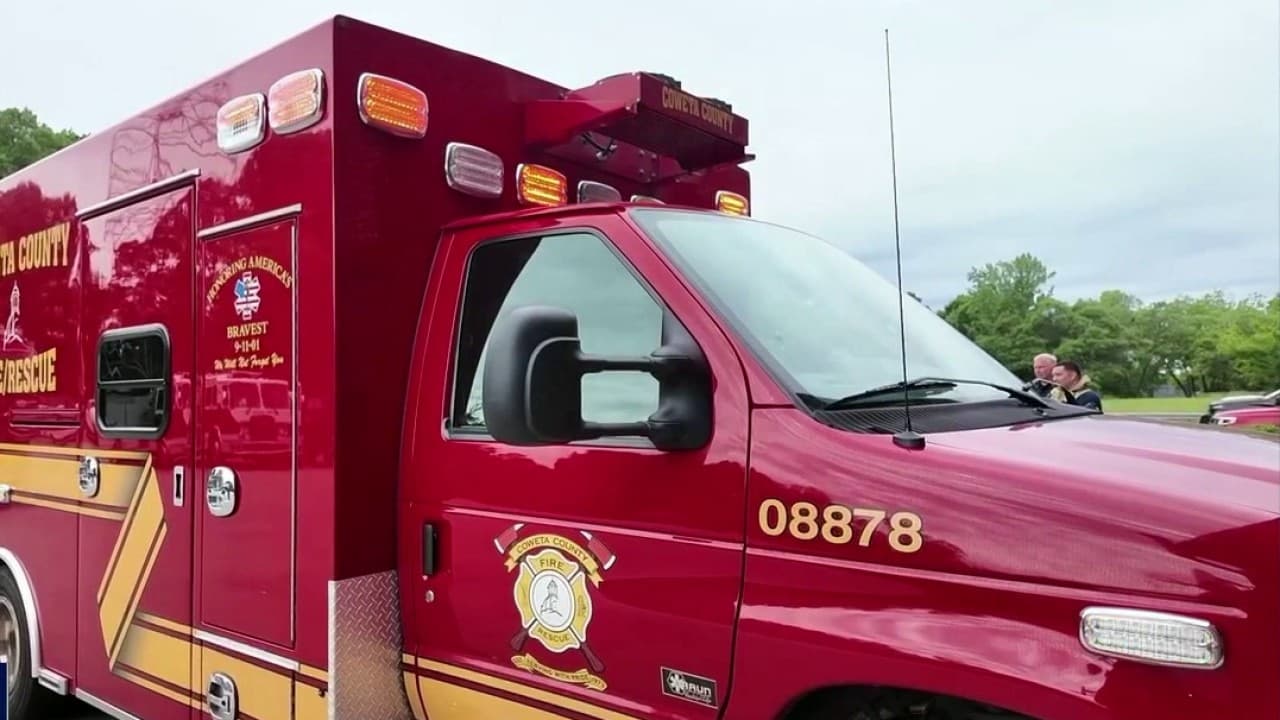
Coweta County's emergency services have embraced a novel approach to managing healthcare demand by integrating telehealth into their 911 response system. According to Fox5 Atlanta, the county has partnered with a private healthcare provider to offer video consultations with physicians for calls that don't require immediate in-person emergency intervention. This initiative reflects a broader regional trend of leveraging technology to optimize emergency services.
The program addresses a persistent challenge facing metro Atlanta's healthcare infrastructure: emergency departments and 911 systems are frequently overwhelmed by non-critical calls that could be triaged and resolved through remote consultations. By offering video doctor access, Coweta County aims to reduce unnecessary ambulance dispatches and emergency room visits while still ensuring appropriate medical guidance reaches callers who need it.
This model has potential implications for Atlanta-area healthcare organizations and emergency management agencies. As the region's population continues to grow, other counties and municipalities may consider similar partnerships to improve response times for genuine emergencies and reduce operational costs. The initiative also creates opportunities for telehealth providers operating in Georgia's competitive healthcare market.
The success of Coweta County's program could influence how surrounding Atlanta-metro jurisdictions handle emergency response infrastructure. Healthcare systems, insurance companies, and local government officials will likely monitor the outcomes—including call volume changes, patient satisfaction, and cost savings—to determine whether the telehealth model is viable for wider implementation across the region.