Photo via Fast Company
Senate Republicans have attached $1 billion in White House security funding to a spending bill that would restore immigration enforcement agency budgets, creating a significant point of contention as Congress returns from recess. The security allocation follows an alleged assassination attempt at a high-profile Washington dinner in late April, according to reporting from the Associated Press. Democrats, led by Senate Minority Leader Chuck Schumer, have signaled they plan to mount opposition through parliamentary procedures and amendments forcing Republicans to take recorded votes on the package.
The disputed spending plan has exposed fissures even within Republican ranks, with some lawmakers expressing reservations about the proposal's scope and justification. Rep. Rob Wittman of Virginia stated he plans to scrutinize the expenditure details carefully before committing support, noting that understanding the total construction costs and specific security allocations is essential. The uncertainty about GOP backing suggests the legislation's path through Congress remains unclear, even as the Senate prepares to vote this week on its version.
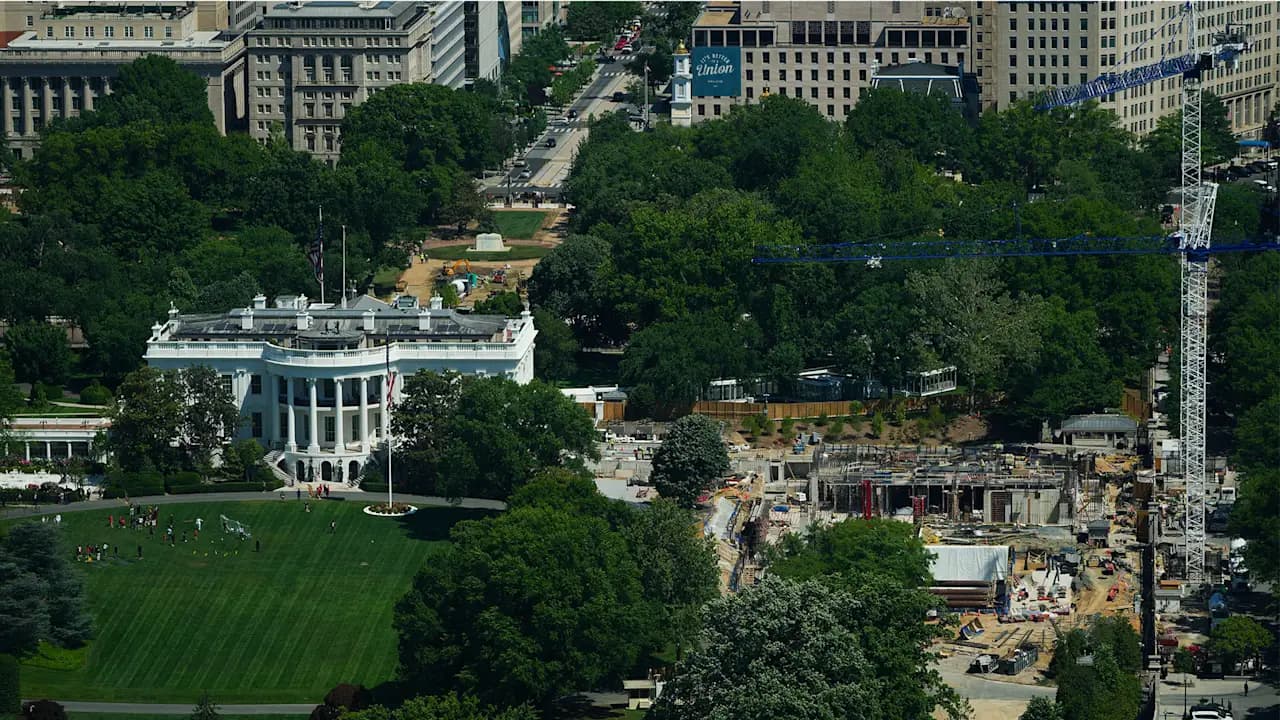
According to White House officials, the funding would strengthen U.S. Secret Service capabilities and support an East Wing ballroom project designed with extensive security features, including underground fortifications and systems to counter drone threats. The Trump administration has indicated the ballroom construction itself would cost $400 million using private funding, though the federal government would cover security-related enhancements through this proposal. Congressional Republicans argue the investment is necessary infrastructure hardening; Democrats counter that the spending represents deficit-increasing fiscal excess.
The National Trust for Historic Preservation has challenged the ballroom project in court, though a federal appeals court recently cleared it to proceed while litigation continues. For Atlanta-area businesses and taxpayers monitoring federal fiscal policy, the outcome of this debate could signal broader spending priorities in the current Congress. The tight partisan division suggests that budget negotiations and security spending decisions may remain contentious throughout the legislative session.