Photo via CNBC Business
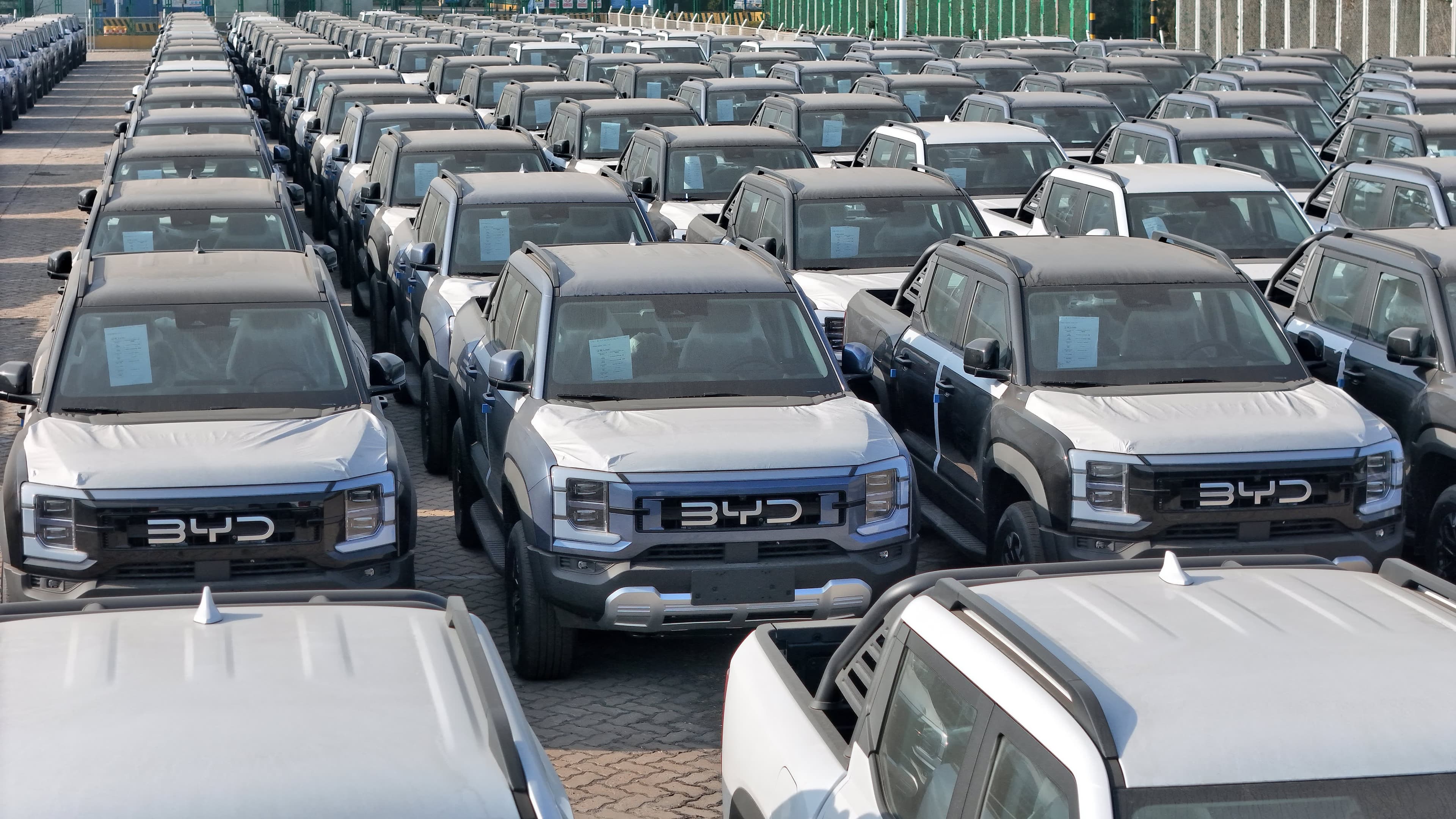
Canada has opened its doors to Chinese-manufactured electric vehicles, approving imports of up to 49,000 units annually at a 6.1% tariff rate, according to CNBC. This policy shift represents a significant move in North American automotive markets and underscores the growing competitiveness of Chinese EV makers in established Western markets.
The decision reflects broader trends in global EV adoption and the competitive pressures facing traditional automakers. Canadian dealers eager to stock affordably priced Chinese EVs see an opportunity to capture price-sensitive consumers, even as tariff protections remain in place. This mirrors dynamics already playing out in other international markets where Chinese manufacturers have gained substantial market share.
For Atlanta-area automotive dealers and logistics companies, Canada's move serves as a harbinger of potential continental shifts. While U.S. tariffs currently provide stronger barriers than Canada's 6.1% rate, the precedent suggests regulators may increasingly weigh consumer access and pricing against domestic manufacturing concerns. Regional dealers and supply chain operators should monitor how this Canadian experiment evolves.
The influx of affordable Chinese EVs into the North American market could pressure legacy automakers and reshape dealer economics across the region. Atlanta's automotive sector—from dealership networks to parts suppliers—operates within a continental ecosystem, making international trade policy and vehicle import patterns relevant to local business strategy and competitiveness.