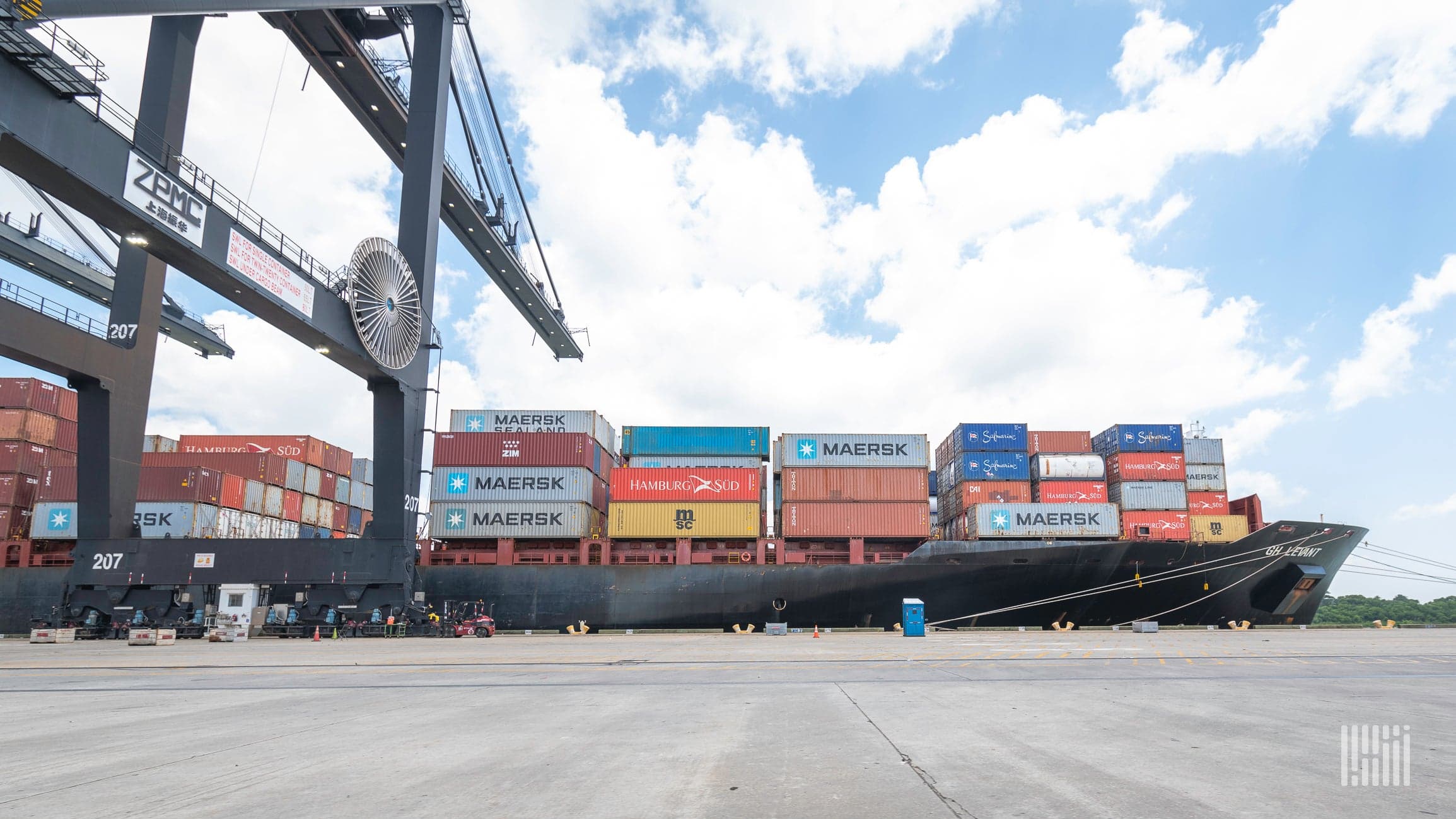
China reported exceptional trade performance in April, with both exports and imports reaching unprecedented levels, according to New York Times reporting. The surge comes as Beijing prepares for high-level trade discussions with U.S. leadership, signaling strong economic momentum heading into critical negotiations. For Atlanta businesses, particularly those in logistics and import-dependent sectors, these figures underscore the continued dominance of Chinese manufacturing in global supply chains.
The widening trade surplus between China and the United States carries direct implications for the Atlanta region, home to the Port of Savannah—one of America's busiest container ports. Increased Chinese exports flowing through Southeast gateways mean higher volumes of goods moving through regional distribution networks. Logistics companies, warehousing operations, and freight forwarders based in metro Atlanta should anticipate continued demand for their services as import flows remain robust.
High energy costs are pressuring Chinese manufacturers, yet exports continue accelerating, suggesting producers are absorbing costs or passing them to consumers. This dynamic could influence pricing strategies for Atlanta retailers and wholesale buyers who depend on Chinese goods. Supply chain professionals in the region should monitor whether sustained energy pressures might eventually shift sourcing decisions or manufacturing timelines.
The timing of record trade figures ahead of U.S.-China trade discussions adds uncertainty to the outlook. Atlanta's trade-dependent businesses—from retail to manufacturing—should stay informed about potential policy shifts. Port authorities, freight companies, and import-reliant enterprises may want to review contingency plans as high-level negotiations could reshape the tariff and trade environment affecting Southeast operations.