China's Ministry of Commerce announced Saturday that the two countries have reached a preliminary agreement to reduce certain tariffs, according to the New York Times. The announcement appears to diverge from earlier statements made by President Trump regarding the scope and status of trade negotiations, creating uncertainty about the actual terms of any potential deal.
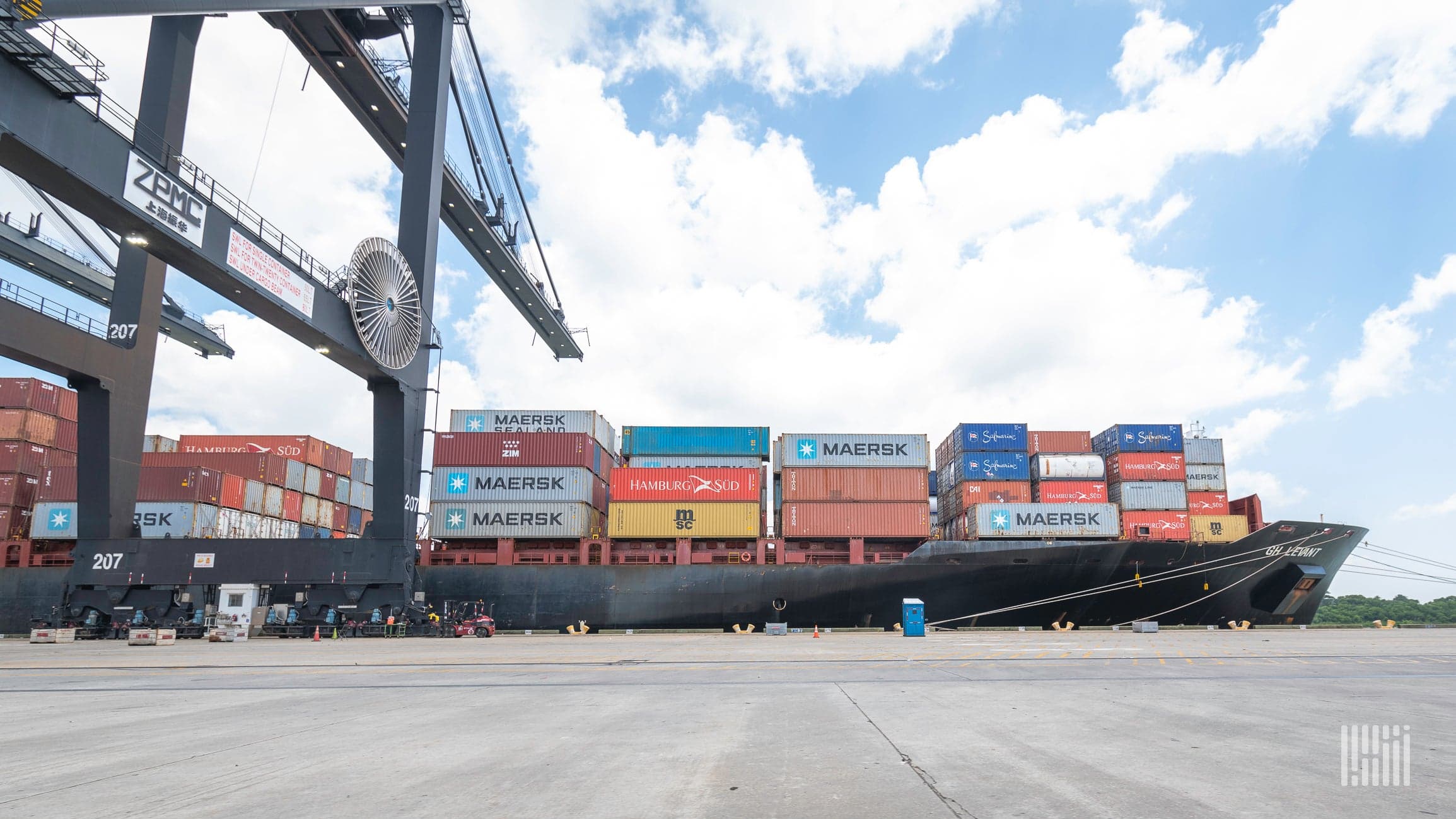
For Atlanta's business community, particularly retailers, logistics companies, and manufacturers reliant on Chinese imports, clarification on tariff policy carries significant weight. The Port of Savannah and regional distribution hubs have faced considerable pressure from elevated import costs over the past year, affecting everything from consumer goods pricing to supply chain efficiency across the Southeast.
The conflicting narratives between Chinese and American officials underscore the complexity of resolving long-standing trade disputes. Until both governments release detailed terms and formal agreements, businesses cannot reliably forecast their tariff exposure or adjust pricing strategies accordingly. This ambiguity has left many Atlanta-based companies in a holding pattern.
Stakeholders in Atlanta's retail, logistics, and manufacturing sectors should monitor official statements from both governments closely. Any concrete tariff reduction could provide meaningful relief to operating costs, while continued uncertainty may prompt businesses to accelerate inventory planning or seek alternative supply chains to mitigate risk.