Photo via Inc.
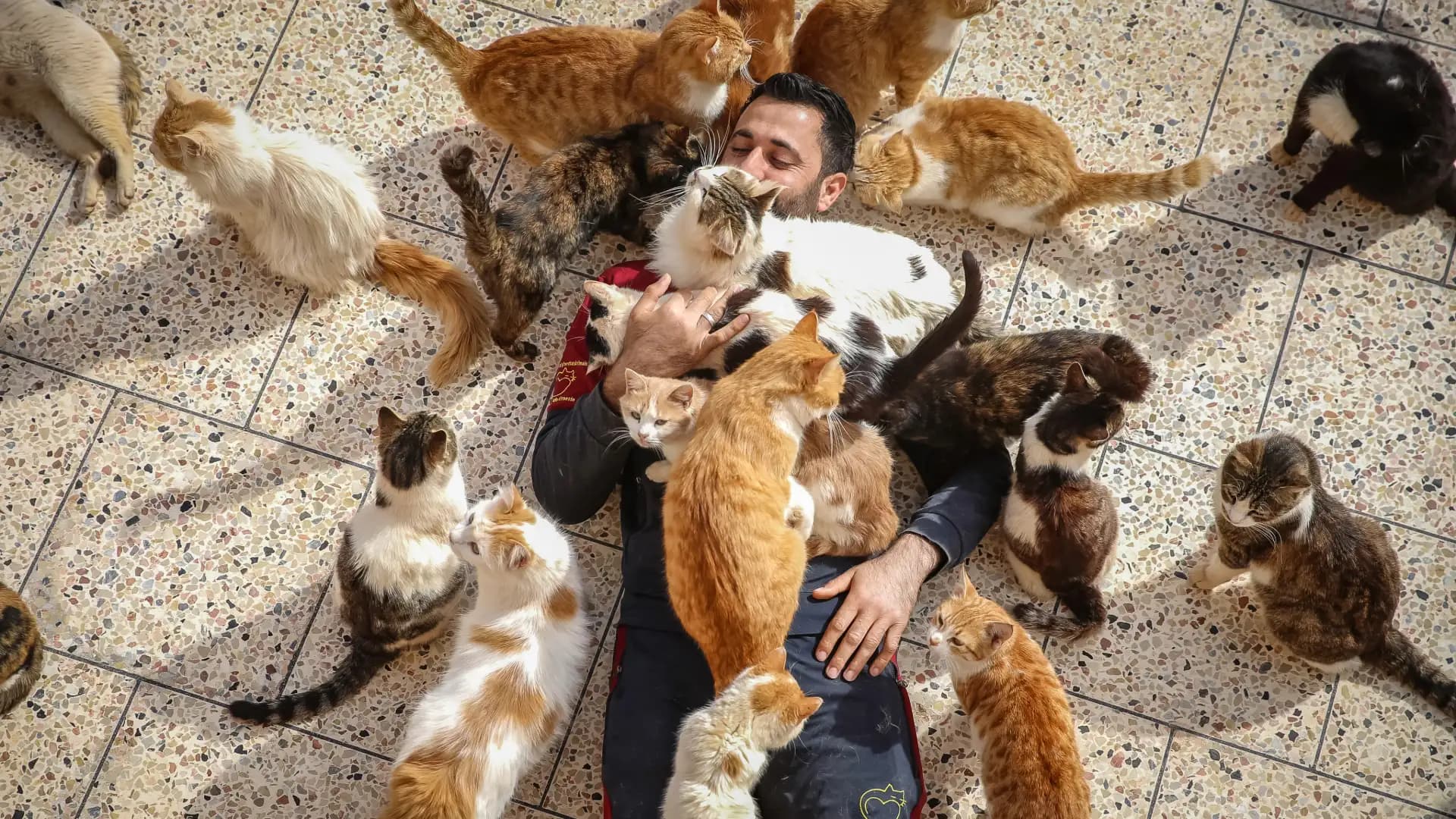
The relationship between humans and their pets has long been studied by medical professionals, but recent research is revealing unexpected connections that demand attention from healthcare providers and business leaders across Georgia. According to new findings, scientists have documented a potential case of bird flu transmission from a cat to a human—marking what researchers believe may be the first documented instance of this particular disease pathway.
For Atlanta's growing pet care and veterinary industries, this discovery underscores the importance of robust health screening protocols and worker safety standards. Veterinary clinics, pet boarding facilities, and animal hospitals throughout the region must evaluate their infection control procedures to protect both staff and animal populations. This development may drive increased demand for specialized training and advanced safety equipment within Georgia's animal healthcare sector.
On a more encouraging note, another parallel study has identified striking genetic similarities between cat and human tumors, opening new avenues for cancer research and treatment development. These genetic connections could accelerate the development of novel therapeutic approaches applicable to human patients, potentially positioning Atlanta's robust medical research community and healthcare institutions at the forefront of breakthrough treatments.
As these findings gain traction in the scientific community, Atlanta-based biotech firms, academic medical centers, and healthcare organizations should monitor regulatory developments and consider how emerging research might inform workplace safety policies and research investment strategies. The dual nature of these discoveries—one cautionary, one hopeful—illustrates how deeper understanding of animal-human biology continues to reshape healthcare priorities and business practices.