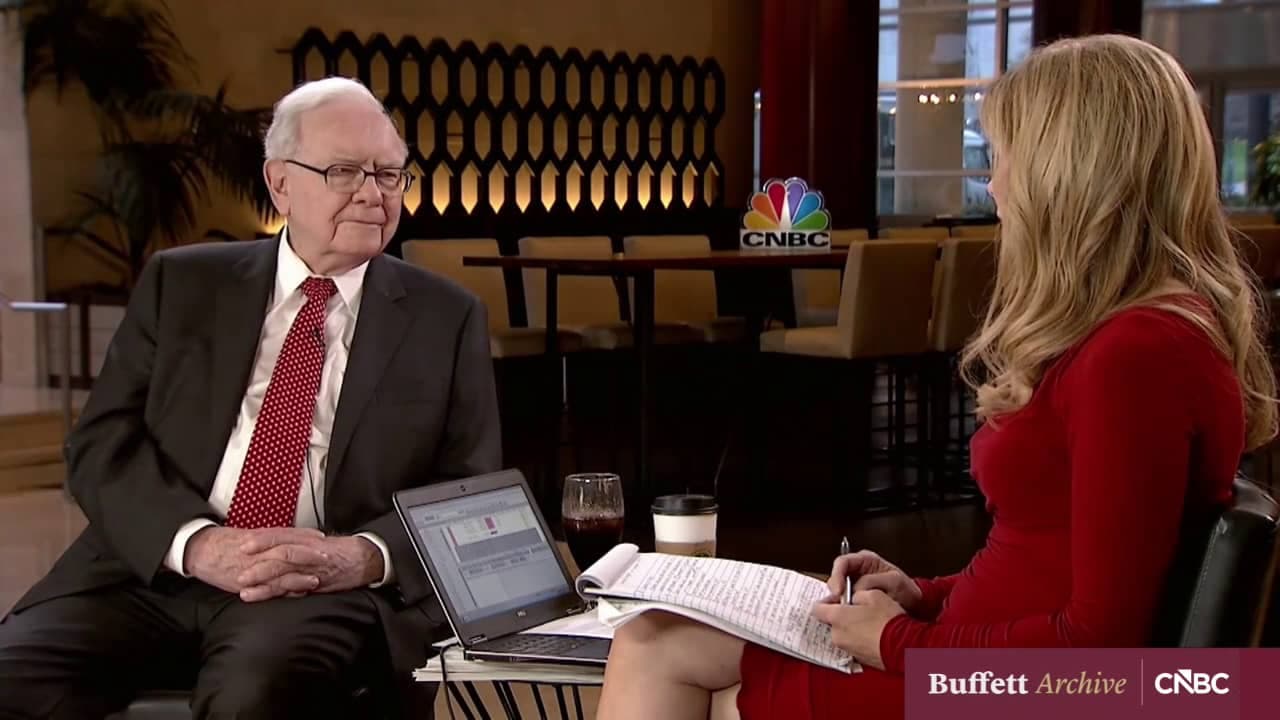
Photo via CNBC
Warren Buffett has long been an outspoken advocate for higher taxes on the nation's ultra-wealthy, arguing that billionaires like himself pay too little to the federal government. However, according to CNBC, the Berkshire Hathaway chief has structured his own estate to avoid billions in potential estate tax obligations by directing the bulk of his fortune to charitable foundations rather than his heirs.
This approach highlights a fundamental tension at the heart of wealth transfer policy: even those who publicly support higher estate taxes can leverage existing legal mechanisms to minimize or eliminate their personal tax burden. By deploying charitable giving as a tax strategy, Buffett—like many ultra-high-net-worth individuals—is able to reconcile his stated preference for more aggressive taxation with a practical estate plan that shields his wealth from government levies.
The situation underscores broader debates among policymakers about the effectiveness of estate tax policy and whether current loopholes make such taxes largely symbolic when it comes to the nation's wealthiest individuals.