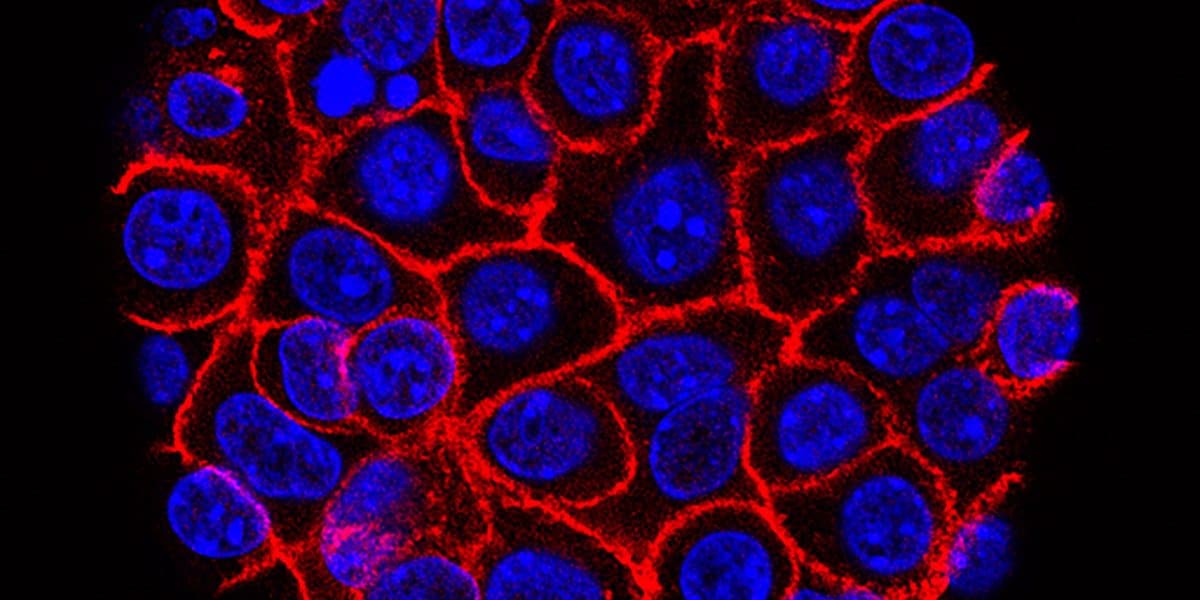
Photo via Fortune
According to Fortune, researchers have developed daraxonrasib, an experimental medication that addresses a critical gap in pancreatic cancer treatment. The drug targets a mutated protein responsible for tumor growth in more than 90% of pancreatic cancer cases—a molecular target that has resisted effective treatment strategies for decades. This breakthrough represents a major advancement in oncology, particularly for patients with advanced-stage disease where treatment options have historically been limited.
Clinical trial results demonstrate that the drug nearly doubles survival time for patients with advanced pancreatic cancer, offering a meaningful improvement in outcomes for one of the most challenging malignancies to treat. The emotional impact on patients has been profound, with participants in trials expressing relief and renewed hope upon learning of the treatment's effectiveness. For Atlanta's thriving healthcare and pharmaceutical communities, including major medical centers and research institutions, this development underscores the region's importance in the broader biotech innovation landscape.
The pancreatic cancer market represents a significant opportunity for pharmaceutical development and clinical deployment. Georgia is home to numerous healthcare systems, research hospitals, and life sciences companies positioned to evaluate and potentially implement such treatments. As daraxonrasib moves through regulatory approval processes, local healthcare providers and academic medical centers will likely play important roles in clinical access and patient care protocols.
The approval and rollout of targeted cancer therapies like daraxonrasib highlight the growing importance of precision medicine in Atlanta's healthcare sector. Medical centers, oncology practices, and pharmaceutical distributors across Georgia should monitor the drug's regulatory status and prepare for potential integration into treatment protocols. This breakthrough demonstrates the value of sustained research investment in addressing previously untreatable diseases and signals continued opportunity in the oncology space for the region's healthcare economy.