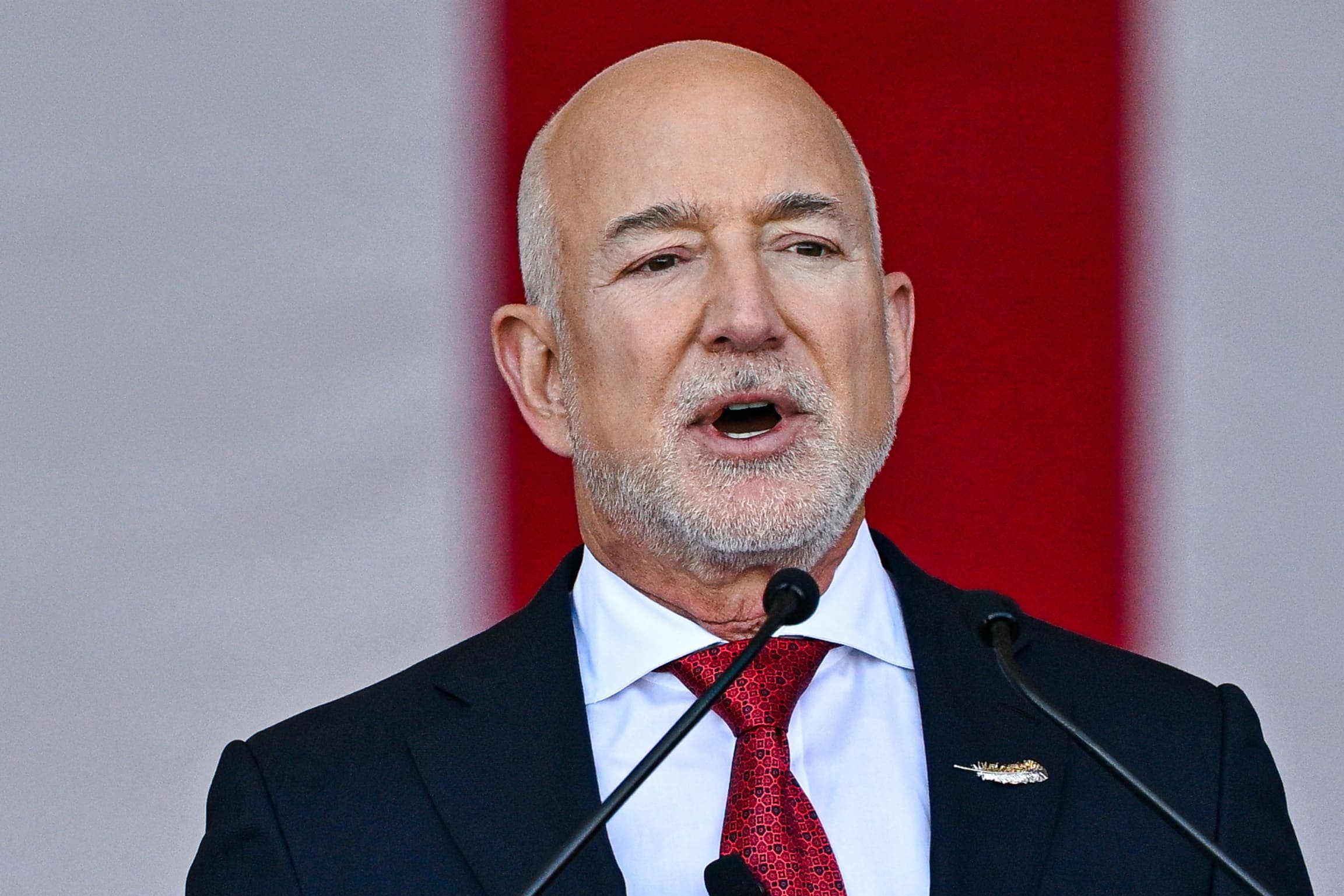
Photo via CNBC Business
Jeff Bezos has publicly disputed the effectiveness and legitimacy of the so-called 'buy, borrow, die' tax strategy, a practice that has gained attention among wealthy entrepreneurs and investors nationwide. According to CNBC Business, Bezos stated there is 'no truth' to the approach, signaling skepticism about a wealth management technique that has become increasingly discussed in financial planning circles.
The 'buy, borrow, die' strategy allows wealthy founders and investors to borrow against their personal assets—typically appreciating stock holdings or real estate—and use the loan proceeds as usable income while minimizing immediate tax obligations. Proponents argue the strategy defers tax liability until death, when heirs receive a 'stepped-up basis' in inherited assets. For Atlanta-area entrepreneurs managing significant company stakes or real estate portfolios, understanding the viability of such strategies has real implications for long-term wealth planning.
Bezos's public dismissal of the strategy could influence how wealthy individuals and their advisors approach tax planning moving forward. With increased scrutiny from lawmakers and tax authorities regarding how billionaires manage their wealth, high-net-worth individuals across industries—from technology and logistics to healthcare and real estate—may need to reconsider traditional approaches to minimizing tax burdens.
For Atlanta business leaders and entrepreneurs contemplating sophisticated financial strategies, Bezos's comments underscore the importance of consulting with qualified tax professionals rather than relying on popular trends or high-profile endorsements. As tax policy continues to evolve and regulatory oversight intensifies, the legitimacy and practicality of aggressive wealth preservation techniques remain uncertain.