Photo via SaportaReport
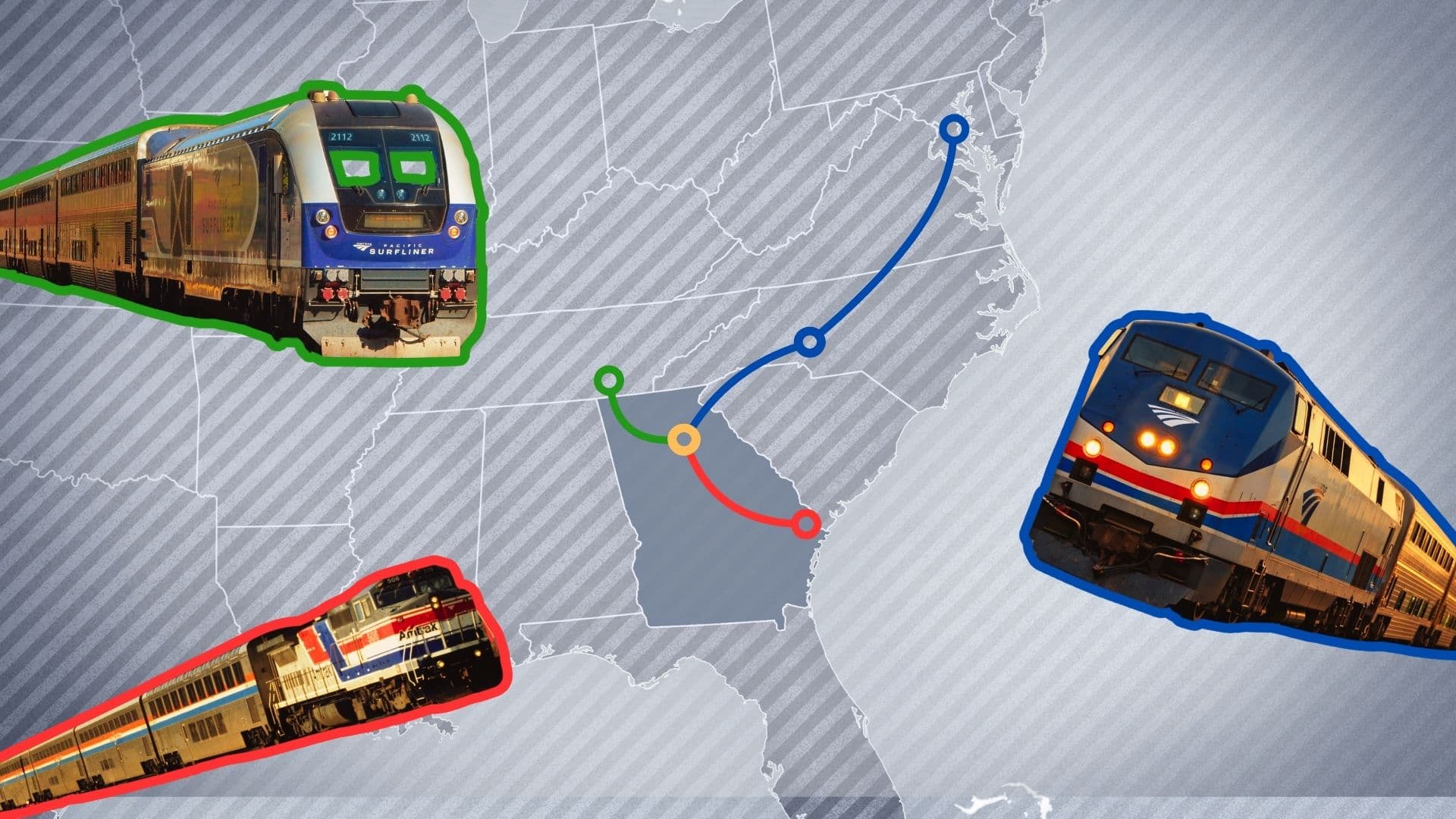
Atlanta's identity as a major transportation hub dates back to its founding as Terminus, named for its position at the end of the Western & Atlantic Railroad line. According to SaportaReport, the city is now exploring several federally-funded rail projects designed to reestablish that historic connectivity with neighboring cities across Georgia and the Southeast. These initiatives represent a significant opportunity to position Atlanta as a regional rail leader and improve economic ties throughout the corridor.
The proposed rail projects address a critical gap in regional transportation infrastructure. By connecting Atlanta to other major Southeast cities via passenger and freight rail, these initiatives could enhance logistics efficiency for Atlanta-based companies, reduce transportation costs, and create new economic development opportunities along the rail corridors. For businesses operating across the region, improved rail connectivity translates to faster supply chains and expanded market access.
Success of these federal rail projects depends on securing sustained funding, coordinating with state and local stakeholders, and demonstrating clear economic benefits to communities along the proposed routes. As Atlanta competes nationally for transportation infrastructure investment, reclaiming its Terminus legacy through modern rail connectivity could reinforce the city's competitive advantage as a regional economic engine and logistics center.