Photo via 11Alive Atlanta
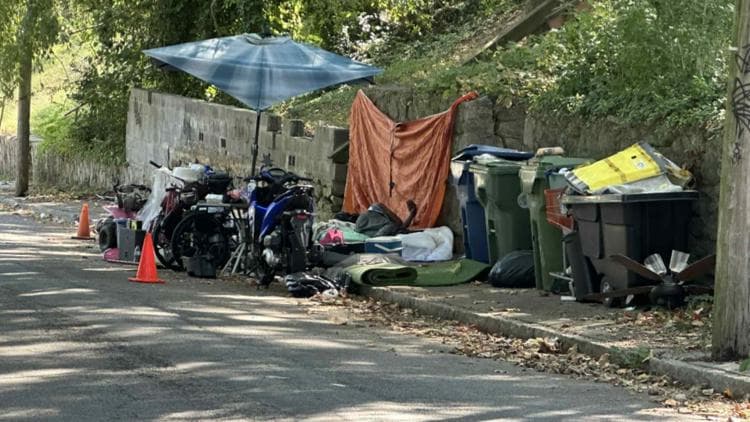
Atlanta is facing a growing homelessness crisis as unaffordable housing pushes an increasing number of residents into crisis situations. According to Partners for HOME, homelessness in the city rose 6% in 2026, marking another year of upward pressure on the region's most vulnerable populations. The trend underscores a fundamental mismatch between wage growth and housing costs across the Atlanta metropolitan area.
The housing affordability squeeze extends beyond those experiencing homelessness, affecting the broader Atlanta workforce and business community. As rents and property values continue their upward trajectory, employers report challenges recruiting and retaining talent, particularly in service and support industries where wage growth has lagged housing cost increases. This dynamic has implications for workforce stability and operational costs for Atlanta-based companies across multiple sectors.
Real estate developers and policy makers increasingly recognize that the homelessness crisis and broader affordability challenges demand coordinated regional solutions. The data from Partners for HOME suggests that market-rate development alone has not addressed the supply-demand imbalance, particularly for workforce and affordable housing units that Atlanta workers can sustain on typical salaries.
For Atlanta's business community, these trends signal the need for sustained attention to housing policy, workforce development partnerships, and potential corporate involvement in affordable housing initiatives. Companies operating in the region should consider how housing accessibility affects recruitment, retention, and community stability—factors that ultimately influence long-term business sustainability in the Atlanta market.