Photo via SaportaReport
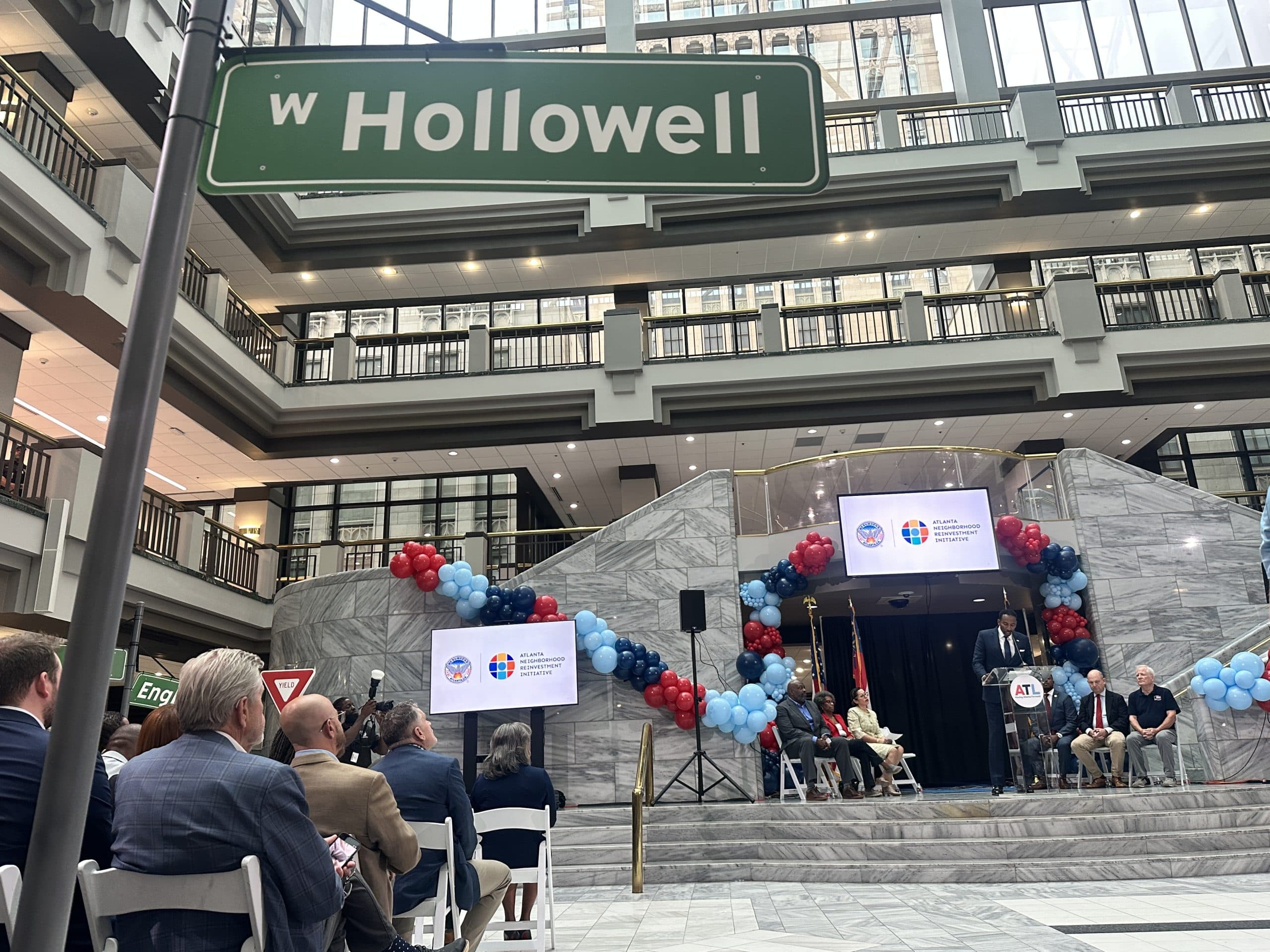
Mayor Andre Dickens has made Tax Allocation Districts a centerpiece of his second-term agenda, leveraging the financing mechanism to fund an ambitious $5 billion initiative aimed at closing Atlanta's persistent development gap. The TAD extension proposal represents a significant bet on using tax increment financing to drive neighborhood revitalization across historically underinvested areas of the city.
However, the mayor's vision for extended TADs has become increasingly contentious within Atlanta's civic and education circles. School system leaders have emerged as key skeptics of the proposal, raising concerns about how the funding mechanism may impact education budgets and resource allocation in the coming years.
The tension reflects a broader debate about Atlanta's urban development priorities. While supporters argue that TADs can catalyze economic growth and increase the tax base, critics worry that the districts may divert revenues from essential services, particularly public education, which already faces significant funding pressures.
As the city weighs this decision, business leaders and stakeholders are closely watching how Mayor Dickels navigates the competing interests. The outcome will likely shape not only Atlanta's development trajectory but also set precedent for how the city balances neighborhood investment with institutional needs like schools.