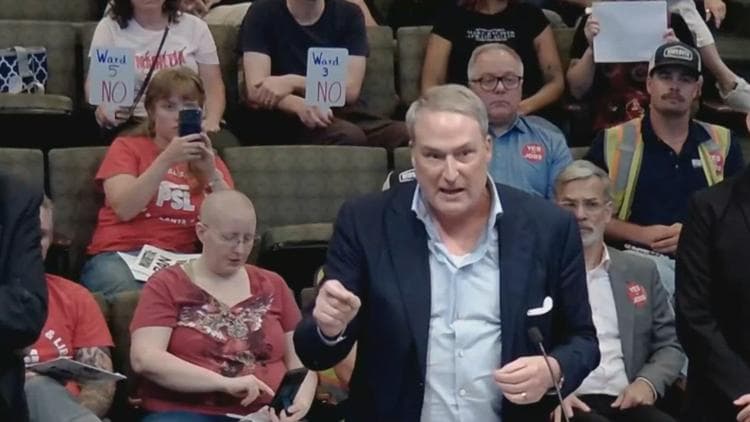
Photo via 11Alive Atlanta
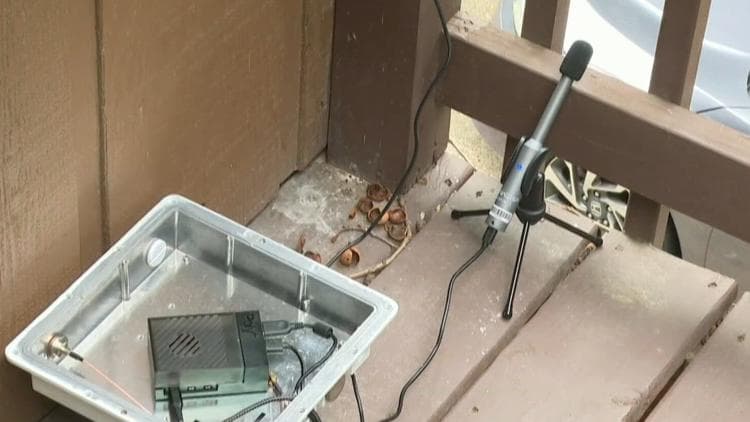
Residents in southwest Atlanta, including advocate Larry Johnson, have launched a sustained campaign to streamline the approval process for sound barriers along major interstate corridors. According to 11Alive Atlanta, Johnson's neighborhood battle reflects a broader frustration with the current regulatory framework that makes it unnecessarily difficult for communities to obtain noise mitigation infrastructure, even when residents face documented health and quality-of-life impacts from highway traffic.
The effort to lower approval thresholds for sound walls has gained traction at the national level, signaling that Atlanta's experience mirrors challenges faced by communities across the country. For Atlanta-area real estate professionals and property developers, easier access to sound barrier construction could reshape neighborhood desirability and property valuations, particularly in corridors near I-75, I-85, and I-285 where noise pollution affects residential communities.
This push for regulatory reform carries implications for Atlanta's residential market and city planning priorities. Making sound barriers more accessible would allow neighborhoods to address cumulative quality-of-life concerns while potentially supporting property appreciation in noise-affected areas—a consideration that affects both individual homeowners and larger real estate investment strategies in the region.