Photo via Fast Company
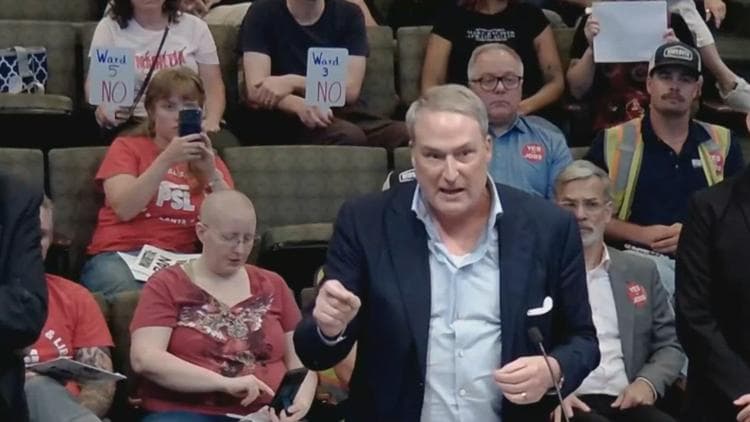
Homeowners associations governing nearly 78 million Americans—roughly one in four—have become a flashpoint for disputes over finances, elections, and accountability. According to Fast Company, the issue stems from a structural problem: HOAs operate with minimal oversight and often lack professional governance systems. Recent surveys indicate that 54% of HOA residents report significant challenges, with 70% saying they would not purchase in an HOA-governed community again. For Atlanta-area homeowners in master-planned communities and condo buildings, these governance failures directly impact property values and quality of life.
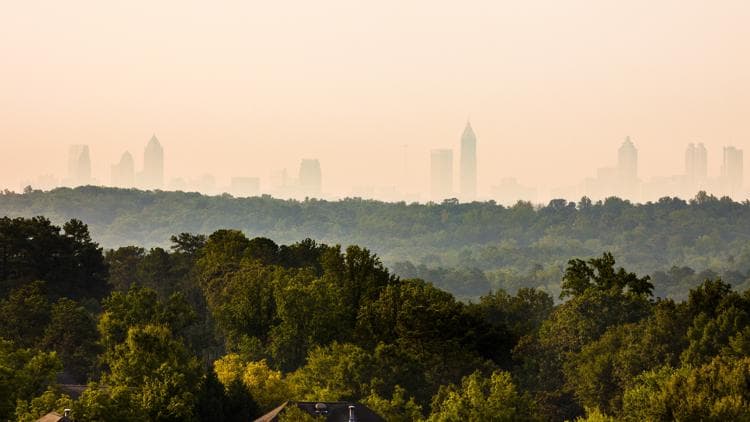
The core complaints center on three areas: inconsistent rule enforcement, poor communication, and rising fees that burden residents financially. According to 2025 research, half of all HOA residents experienced fee increases, with 51% making financial sacrifices to afford them—including 30% withdrawing from retirement savings. The U.S. Census Bureau reports the national median monthly HOA fee at $135, though 3 million homeowners pay more than $500 monthly. Atlanta's growing condo market, particularly in Midtown, Downtown, and Buckhead, means many local residents face these escalating costs without transparency.
TrueHOA, founded by entrepreneurs Jonathan Gropper and Jonathan Waldman following their own "HOA hell" experience in Philadelphia, is addressing the transparency gap through a digital governance platform costing $6 per home annually. The platform creates auditable digital trails for elections, voting records, and board decisions—addressing a critical vulnerability in communities relying on paper ballots and closed-door processes. The startup is already onboarding hundreds of communities and recently helped a Miami HOA resolve a multi-million-dollar dispute by establishing irrefutable election results for an upcoming December 2026 vote.
Beyond the software, TrueHOA offers free Verified Governance Specialist certification—a weekend training course for volunteer board members on managing elections, communications, budgeting, and decision-making. Industry experts acknowledge that HOA board failures often stem not from corruption but from lack of expertise and low volunteer participation. For Atlanta property managers and board members struggling with governance complexity, the certification framework offers a replicable system to professionalize operations that have traditionally been run on goodwill rather than process.