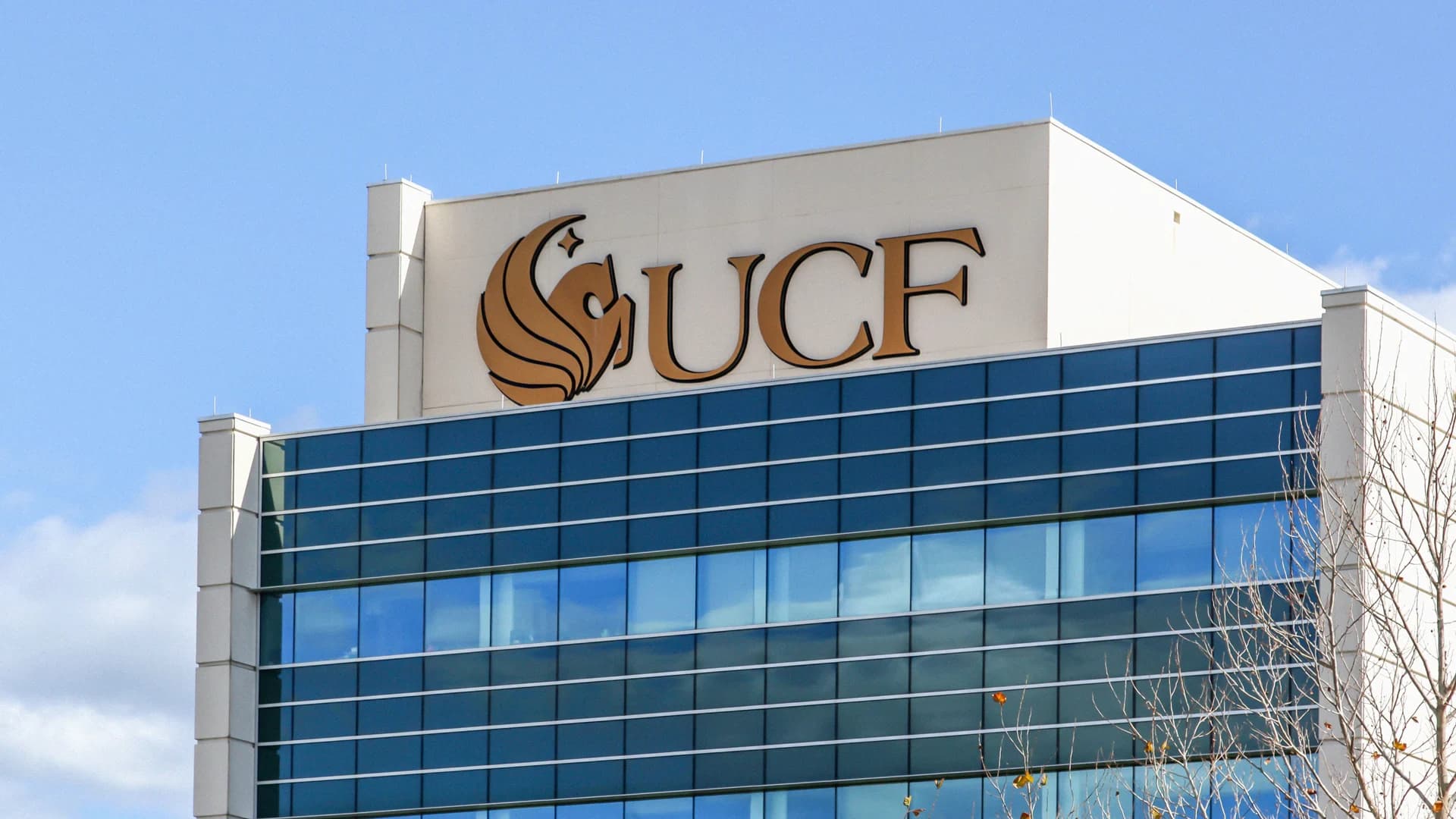
Photo via Inc.
A commencement address at the University of Central Florida became a flashpoint for tensions surrounding artificial intelligence and its role in the future workforce. According to Inc., a speaker's characterization of AI as the 'next industrial revolution' drew audible disapproval from graduating students, highlighting a generational disconnect about technology adoption.
For Atlanta-area business leaders, the incident underscores a critical challenge: communicating AI strategy to talent pools increasingly anxious about job displacement. Georgia's growing tech sector and established corporate headquarters face heightened pressure to articulate how automation will complement rather than replace employees.
The booing at graduation reflects broader sentiment among young professionals entering a labor market transformed by rapid technological change. Employers must balance enthusiasm for AI productivity gains with transparent conversations about workforce transition, retraining opportunities, and long-term career viability in an AI-augmented economy.
As Atlanta continues attracting tech investment and corporate relocations, addressing these workforce concerns becomes essential. Companies that proactively engage employees in AI implementation discussions—rather than presenting it as inevitable disruption—may gain competitive advantage in recruiting and retaining talent in an increasingly competitive regional market.