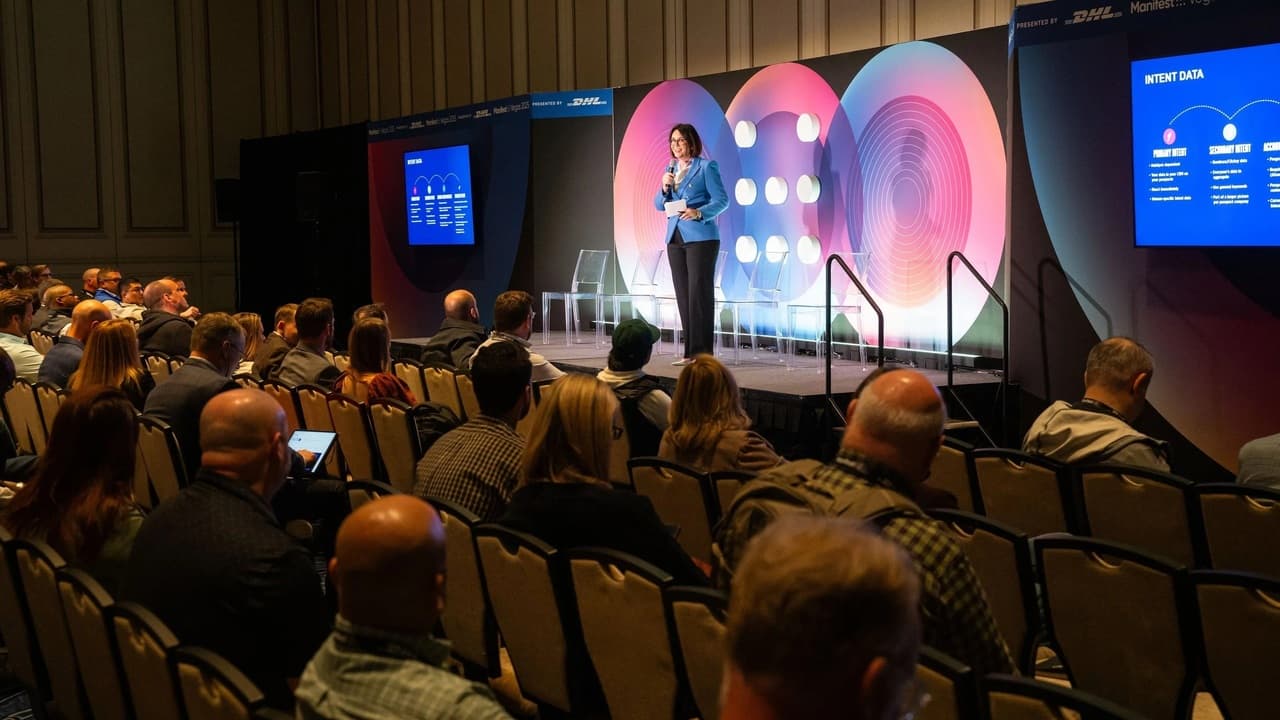
Photo via SaportaReport
The specter of meaningless work haunts corporate culture. From the film "Office Space" to modern cubicle blues, employees across industries—including Atlanta's thriving corporate sector—have long endured soul-crushing administrative tasks that consume time without adding value. Today's AI tools offer a potential escape from this trap, promising to automate the trivial formatting, data entry, and paperwork that have defined office drudgery for decades.
According to SaportaReport, the real opportunity lies not in replacing workers, but in freeing them from repetitive, low-value tasks. AI can handle formatting reports, organizing spreadsheets, scheduling meetings, and generating routine communications—the digital equivalent of "TPS reports." For Atlanta's growing tech, finance, and professional services sectors, this shift could reshape how companies think about employee engagement and retention.
The challenge, however, is implementation philosophy. Organizations that simply layer AI on top of existing processes may intensify the drudgery rather than eliminate it. Leaders must actively choose to redistribute the time saved toward higher-impact work: strategic thinking, client relationships, creative problem-solving, and mentorship. Without deliberate cultural change, AI risks becoming another tool that extracts more value from workers rather than improving their professional lives.
For Atlanta businesses navigating this transition, the question isn't whether to adopt AI, but how to use it purposefully. Companies that view automation as liberation—freeing talented employees to do their best work—will gain competitive advantages in attracting and retaining top talent in an increasingly competitive regional market.