Photo via Fox5 Atlanta
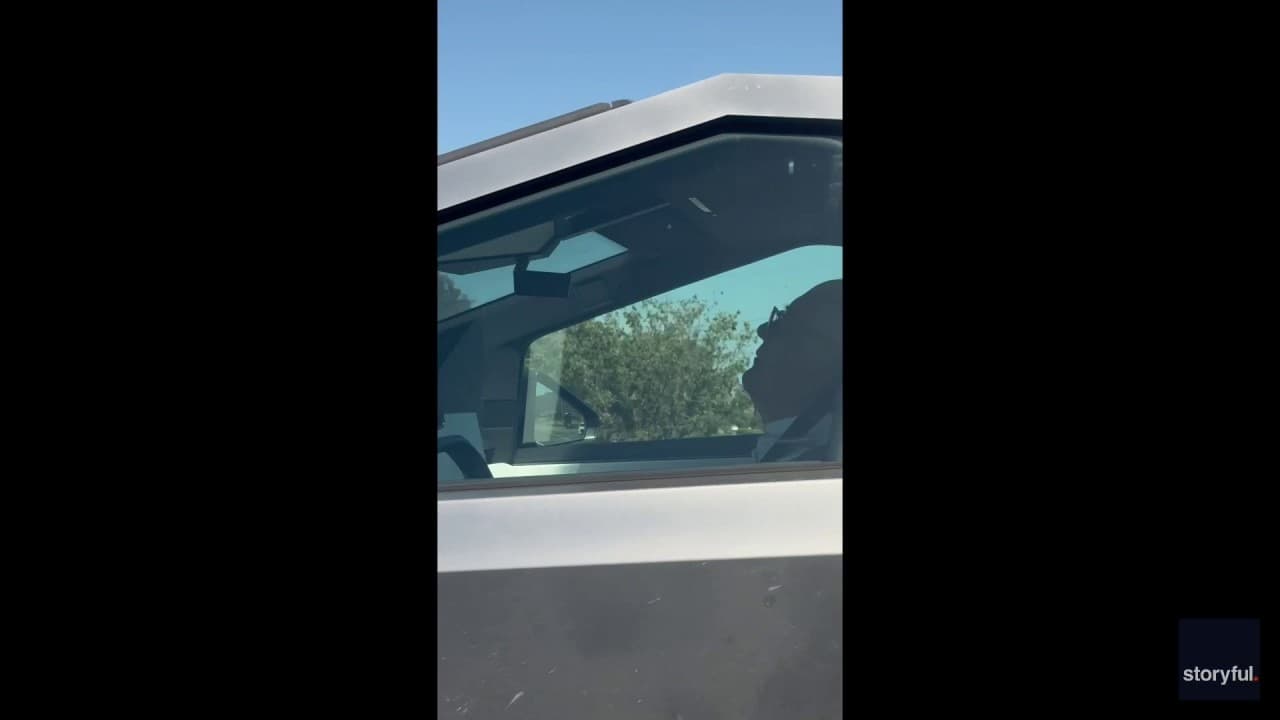
Tesla's advanced driver-assistance features continue to generate debate about the line between automation and autonomous driving. According to Fox5 Atlanta, a video circulating this week captured what appeared to be an older male driver with his eyes closed while operating a Cybertruck on city streets, raising questions about whether the vehicle's self-driving capabilities are adequately safeguarding occupants and the public.
The incident underscores a growing tension in the automotive industry regarding driver engagement and safety protocols. As more Georgia residents purchase vehicles with sophisticated autonomous features, regulators and safety advocates are examining whether current technology sufficiently protects against driver inattentiveness and whether marketing language around these systems creates false confidence in their capabilities.
Tesla's Autopilot and Full Self-Driving systems have faced scrutiny from federal agencies and consumer advocates who argue that the technology's name and capabilities can mislead drivers into believing the vehicles require less active supervision than they actually do. This latest incident adds to a broader conversation about the responsibilities of manufacturers to ensure drivers remain alert and engaged.
For Atlanta-area business leaders and fleet managers evaluating autonomous vehicle technology for their operations, this incident serves as a cautionary reminder to thoroughly understand the limitations of driver-assistance systems and establish clear policies regarding their proper use. As autonomous vehicle adoption accelerates, transparency about what these systems can and cannot do remains critical for public safety and liability management.