Photo via Inc.
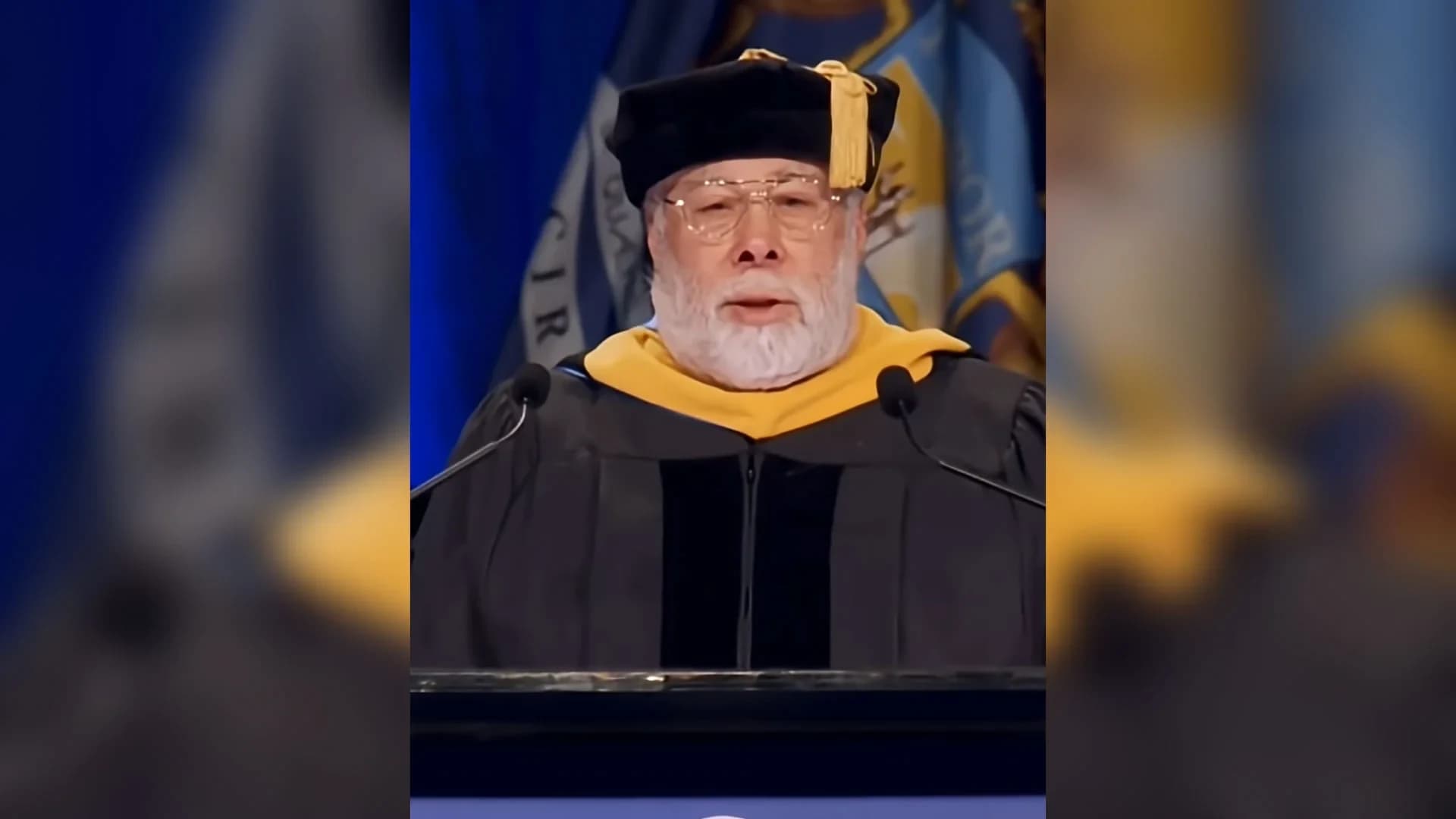
Commencement season has become a minefield for speakers addressing artificial intelligence, with some audience members openly heckling remarks about the technology's future. According to reporting from Inc., Apple co-founder Steve Wozniak delivered a notably different reception when he addressed new graduates, earning applause rather than criticism for his comments on AI. His approach offers insight into how business leaders and technologists can meaningfully engage younger workers entering the job market during a period of rapid AI adoption.
Wozniak's perspective carries particular weight given his pioneering role in computing. Rather than dismissing generational concerns about AI's impact on employment and society, he appears to have acknowledged legitimate questions while offering a balanced view of the technology's trajectory. For Atlanta's growing tech sector—home to numerous AI startups and established companies integrating machine learning into operations—such measured commentary from industry veterans can help shape healthier workplace conversations about automation and workforce evolution.
The contrast between heckled speakers and Wozniak's receptive audience suggests that younger professionals are hungry for authenticity over platitudes when it comes to AI. They want to hear from those with real experience navigating technological disruption, not corporate talking points. This shift has implications for how Atlanta-based executives, hiring managers, and company leaders should frame conversations about emerging technologies when engaging with entry-level talent and university partnerships.
As Atlanta continues positioning itself as a hub for technology innovation and talent development, Wozniak's commencement approach demonstrates the value of candid, respectful dialogue about industry transformation. Business leaders addressing local universities or young professional groups would do well to adopt similar principles—acknowledging uncertainty while maintaining confidence in human capability and adaptability.