Photo via Fox5 Atlanta
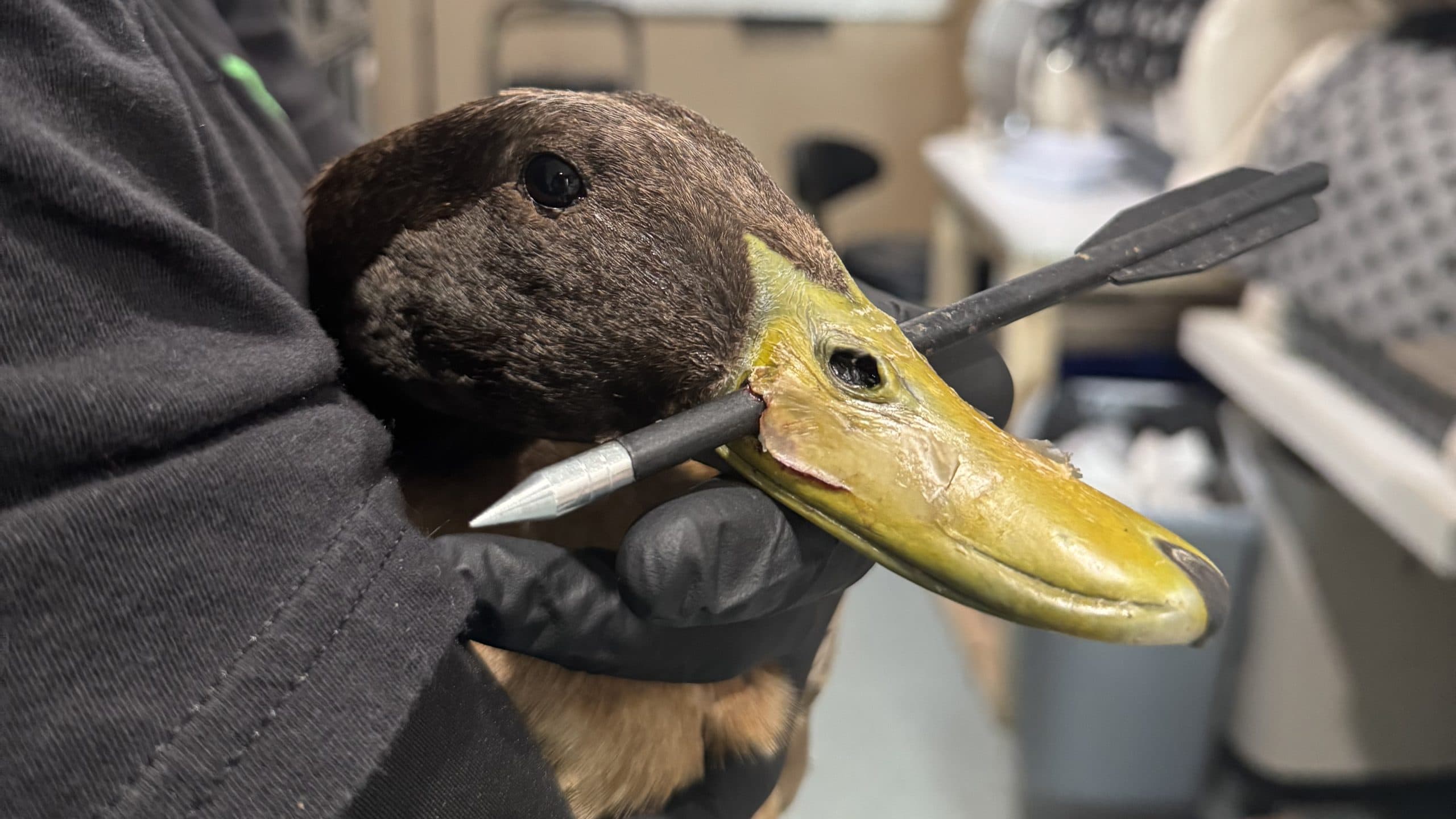
A recent wildlife rescue in Massachusetts underscores the broader conversation about environmental responsibility that Atlanta businesses are increasingly facing. According to Fox5 Atlanta, rescuers successfully removed an arrow from a duck's bill, bringing attention to animal welfare issues in communities nationwide. Such incidents prompt questions about corporate accountability in environmental stewardship and how businesses can support wildlife protection initiatives.
For Atlanta-area companies, particularly those in retail, hospitality, and real estate development, wildlife protection intersects with corporate social responsibility strategies. Many local businesses are recognizing that environmental commitments—from waterway conservation to habitat protection—enhance brand reputation and employee engagement while addressing genuine community concerns about urban development's impact on local ecosystems.
The incident reflects a growing trend of nonprofit organizations and rescue groups partnering with local businesses to fund wildlife rehabilitation centers and environmental education programs. Atlanta companies have opportunities to sponsor such initiatives, positioning themselves as community stewards while addressing stakeholder expectations around environmental governance and ethical business practices.
As Atlanta continues to grow, business leaders should consider how their operations impact local wildlife and natural spaces. Implementing wildlife-friendly policies, supporting conservation nonprofits, and incorporating environmental best practices into corporate planning demonstrates long-term commitment to the communities where these businesses operate and employ thousands of Georgians.