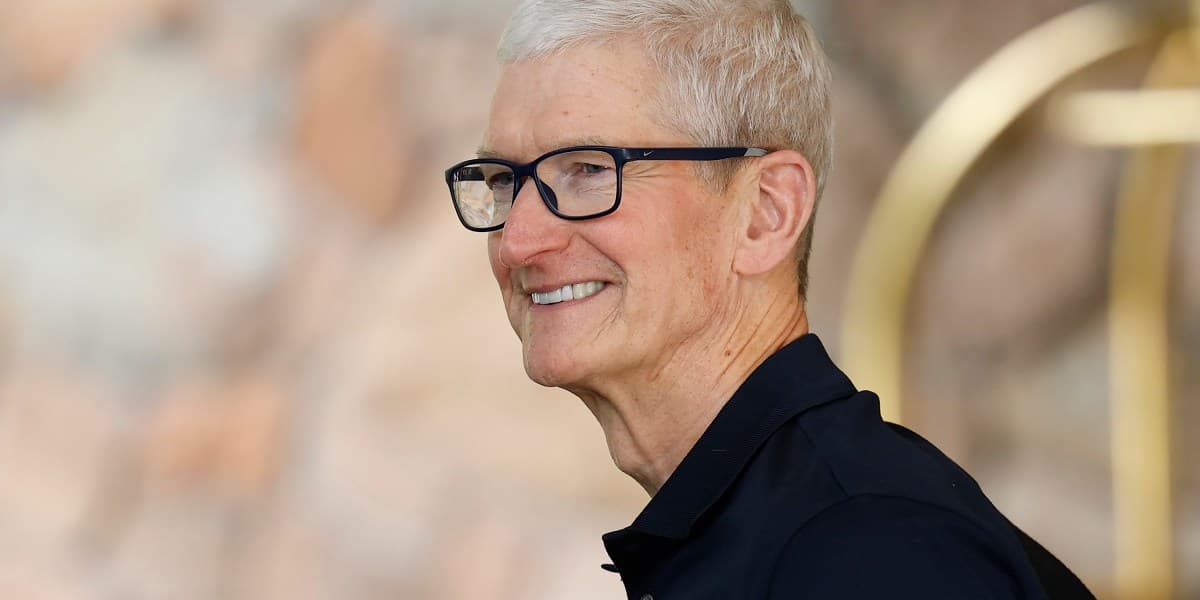
Photo via Fortune
Tim Cook faces growing scrutiny over Apple's direction and performance, with critics questioning whether new leadership might better position the company for future growth. However, according to Fortune's analysis, several leadership experts argue that Cook's tenure should continue, pointing to his operational expertise and steady hand during volatile market conditions. For Atlanta-area executives managing large organizations through uncertain times, Cook's approach offers a compelling case study in measured decision-making.
Cook's strength lies in his ability to execute Apple's existing business model with precision while managing the complexities of a global supply chain. His background in operations—skills that transformed Apple's manufacturing and logistics networks—continues to be invaluable as the company navigates economic headwinds and competitive pressures. This operational focus resonates particularly well with Atlanta's logistics and technology sectors, where supply chain excellence directly impacts profitability.
Beyond operational prowess, leadership experts highlight Cook's institutional knowledge and relationships as critical assets. His deep understanding of Apple's culture, board dynamics, and long-term strategic vision positions him uniquely to maintain continuity while addressing stakeholder concerns. Many Atlanta business leaders face similar transitions and succession planning challenges, making Cook's stability an instructive example of when continuity outweighs the potential benefits of wholesale change.
Rather than pursuing a dramatic leadership overhaul, experts suggest Cook's continued tenure allows Apple to balance innovation with financial discipline—a balancing act that benefits shareholders and employees alike. As Atlanta's business community continues to attract major technology employers and corporate headquarters, the lessons from Apple's leadership approach provide valuable benchmarks for how established companies maintain competitive advantage through steady, experienced stewardship.