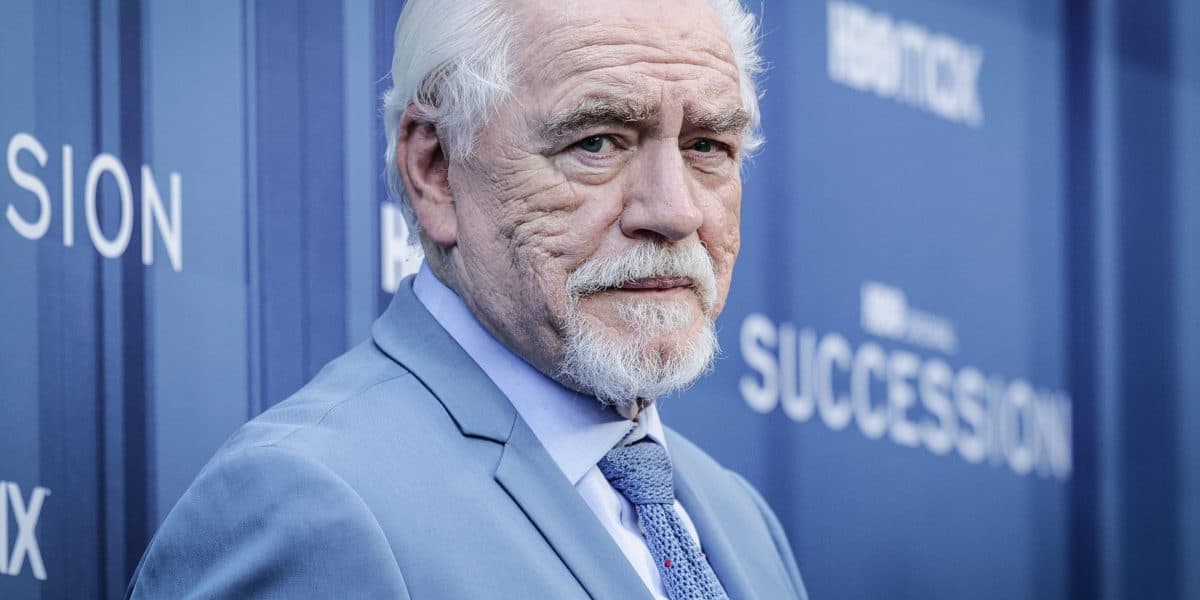
Photo via Fortune
Family-owned businesses form the backbone of Atlanta's economy, from established manufacturers to retail operations passed down through generations. Yet a significant challenge emerges when these companies transition leadership, and new research suggests business owners may be focusing their concerns in the wrong direction. According to a McKinsey & Company study spanning 200 family business successions across 50 countries, the primary barrier to successful leadership transitions isn't the capability of the incoming heir—it's the behavior and mindset of the departing CEO.
The research reveals a striking pattern: family businesses typically experience a five-year performance dip following a leadership transition. This underperformance window can cost companies millions in lost market share, operational inefficiency, and employee uncertainty. Rather than blaming inexperience or poor preparation by the successor, McKinsey's findings point to outgoing leaders as the central problem. Many departing CEOs struggle to fully relinquish control, creating ambiguity about decision-making authority and undermining the new leader's ability to establish credibility with staff and stakeholders.
For Atlanta business owners contemplating succession, the implications are clear: the transition's success depends heavily on whether the outgoing leader can genuinely step back. This means resisting the urge to second-guess decisions, avoiding behind-the-scenes influence, and allowing the new CEO space to implement their own vision and strategy. Companies that explicitly address the departing leader's role—through formal advisory positions, clear boundaries, or planned exits—tend to navigate this critical period more smoothly and recover faster.
As Atlanta's family businesses plan for next-generation leadership, this research offers a valuable roadmap. Rather than investing exclusively in grooming successors, boards and founding owners should equally focus on preparing themselves for a genuine departure. The health of the business during the handoff period depends less on the heir's readiness and more on the outgoing CEO's willingness to trust, let go, and step aside.