Photo via Fast Company
While many employers across industries have mandated office returns, Dropbox has doubled down on a fully remote workforce. The San Francisco-based cloud storage firm has maintained its "virtual-first" policy since the pandemic, allowing its 2,100 employees to work from anywhere globally. Chief People Officer Melanie Rosenwasser told the Associated Press that the pandemic fundamentally challenged assumptions about in-person work requirements for productivity.
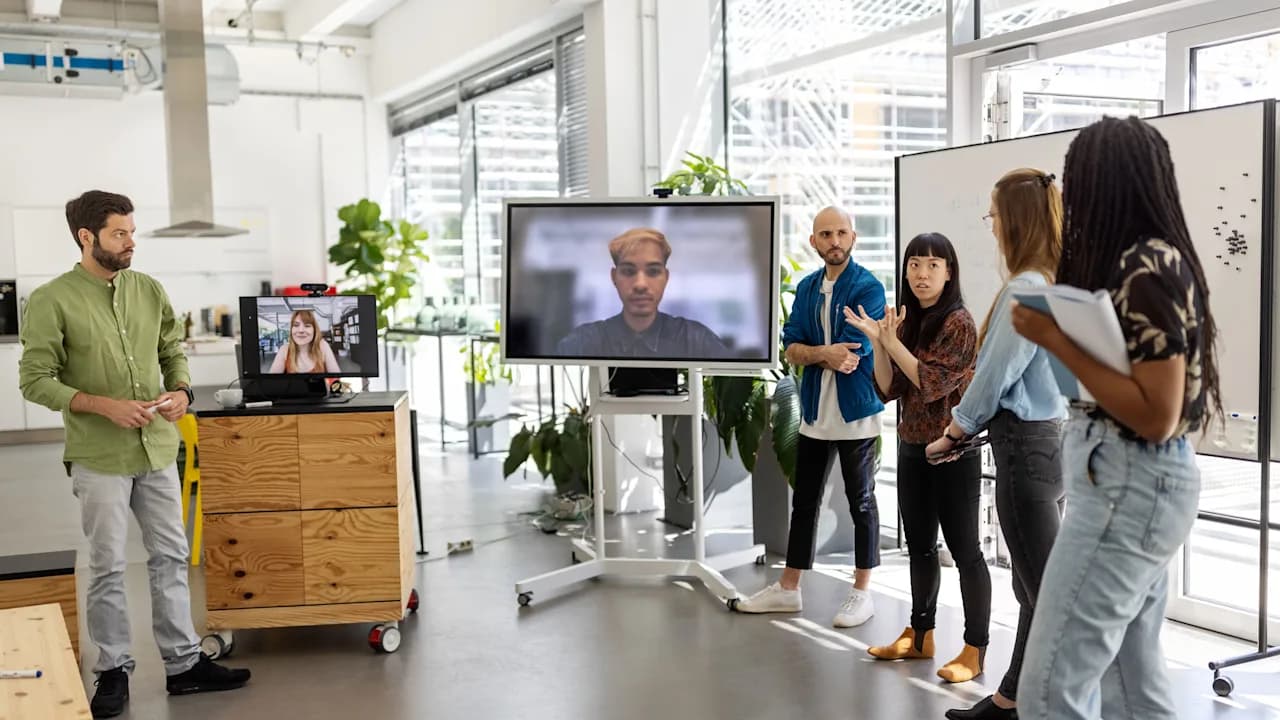
Dropbox explicitly avoids hybrid arrangements, arguing they create an uneven playing field where some employees endure commutes only to join video calls with distributed colleagues. Instead, the company structures collaboration around asynchronous work and "core collaboration hours"—four-hour meeting blocks timed for overlapping time zones. This approach prioritizes what Rosenwasser calls the "three D's": discuss, debate, or decide. If a meeting serves none of these purposes, it doesn't happen.
The strategy addresses real employee preferences. According to Gallup analytics, roughly one-third of workers with remote-capable jobs prefer fully remote arrangements, while 76% value the work-life balance remote work provides. However, Dropbox acknowledges challenges inherent to distributed teams, including burnout and blurred work-life boundaries. The company has implemented solutions like "Meet & Move," encouraging employees to take meetings while walking, and structured nonlinear workdays based on personal preferences.
For Atlanta-area companies evaluating workforce strategies, Dropbox's approach demonstrates a potential recruiting advantage. With 69% of Dropbox employees recommending the company to others, the virtual-first model may prove particularly attractive to talent seeking flexibility. As hybrid work remains the dominant arrangement for 52% of U.S. companies, companies taking clearer stances—whether remote-first or office-centric—may better appeal to aligned candidates.