Photo via 11Alive Atlanta
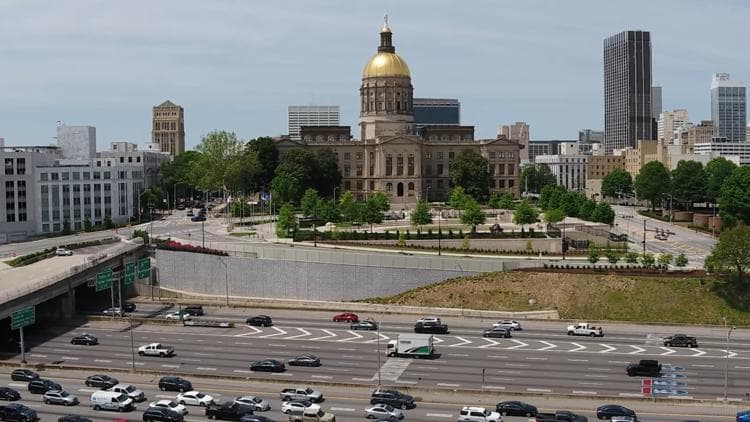
Atlanta's reputation for traffic congestion is well-earned, and the region's ability to respond effectively to gridlock emergencies depends on more than just technological solutions. According to 11Alive Atlanta's analysis, the rise of artificial intelligence and simultaneous budget cuts at local media outlets have created a gap in real-time traffic expertise precisely when the Atlanta metro area needs it most. This convergence raises an important question for business leaders and city planners: can algorithms alone manage the complex human and logistical variables that create traffic crises?
The business case for maintaining dedicated traffic experts extends beyond journalism. Companies operating logistics networks across metro Atlanta, from distribution centers to corporate headquarters, depend on reliable, expert analysis of transportation disruptions. When major incidents occur—whether accidents on I-75, MARTA service interruptions, or special events—decision-makers need rapid, nuanced assessment from professionals who understand Atlanta's unique traffic patterns. Automated systems lack the contextual judgment required to predict cascading delays or recommend effective detours.
As newsroom budgets continue to tighten across Atlanta media organizations, business stakeholders should consider the ripple effects. Traffic expertise serves not just commuters, but the entire regional economy. Local retailers, service providers, and office parks all suffer when professionals lack reliable information. Investing in human traffic expertise—whether through media partnerships or public-private collaborations—represents a practical investment in Atlanta's operational efficiency and economic competitiveness.