Photo via Fox5 Atlanta
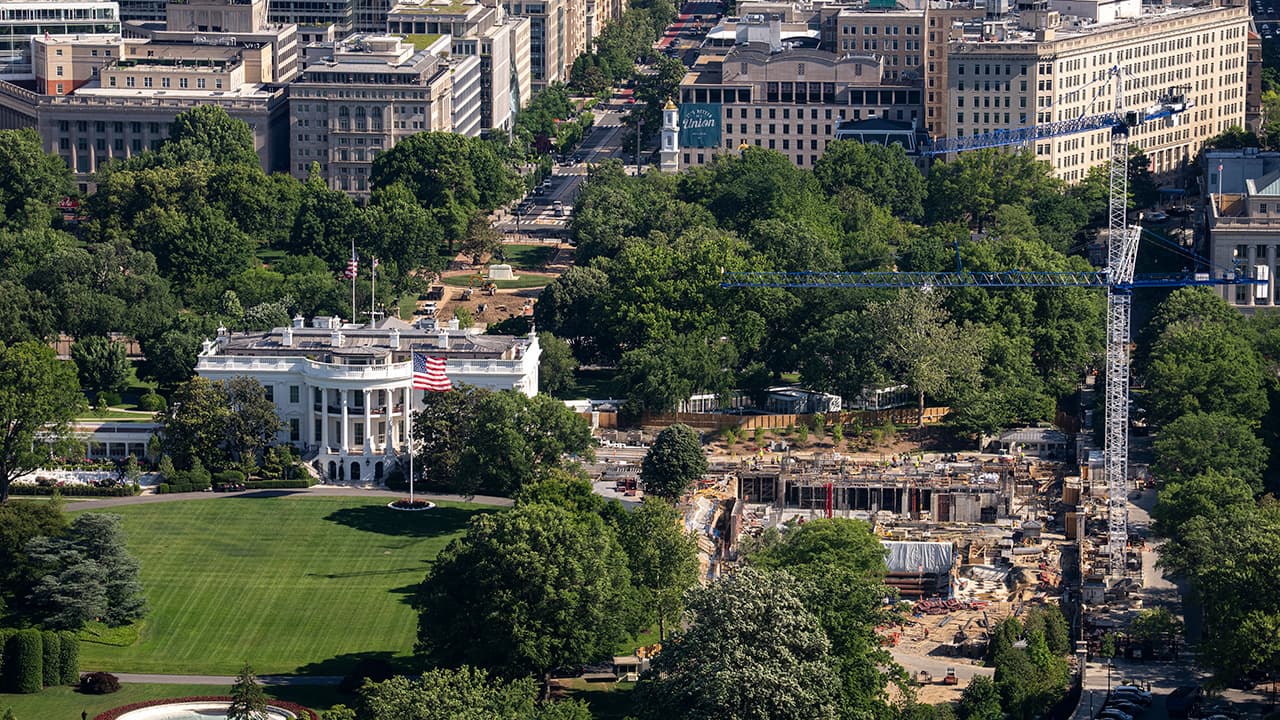
According to Fox5 Atlanta, Republican lawmakers faced a significant obstacle this week when their proposal to allocate $1 billion toward White House campus security enhancements and construction of a new presidential ballroom was deemed ineligible for inclusion in the upcoming budget reconciliation bill. The setback underscores the strict procedural requirements governing what spending measures can be folded into such legislation.
Budget reconciliation bills operate under specific parliamentary rules that limit what provisions can be included, focusing primarily on measures with direct budgetary impact. The White House ballroom proposal, while carrying a substantial price tag, apparently failed to satisfy these stringent criteria, forcing GOP leadership to reassess their strategy for advancing the initiative.
For Atlanta-area business and construction firms that might have bid on such federal projects, the delay represents uncertainty in what could have been a significant infrastructure contract. Major renovation and security enhancement projects at federal facilities typically generate substantial economic activity through local contractors and suppliers.
The proposal's rejection highlights ongoing debates within Congress about federal spending priorities and the mechanics of legislative procedure. As Republicans work to advance their agenda, this decision may prompt reconsideration of how such initiatives are structured to meet parliamentary requirements for future budget cycles.