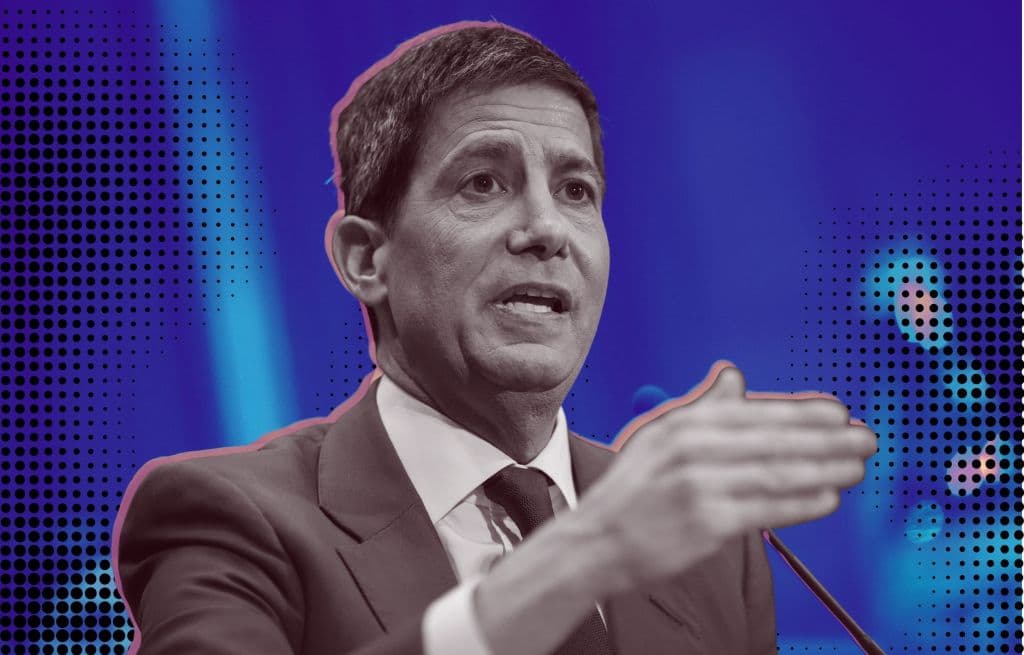
Photo via Entrepreneur
Kevin Warsh's confirmation as the new chair of the Federal Reserve marks a significant transition in the nation's monetary policy leadership, according to Entrepreneur. The Wall Street veteran assumes control during a period of economic uncertainty, where persistent inflation pressures continue to complicate decisions around interest rates—a critical concern for Atlanta-area businesses managing debt, expansion plans, and working capital needs.
Warsh's appointment represents what some analysts describe as a 'regime change' from his predecessor Jerome Powell's approach to monetary policy. For Atlanta's diverse business community—spanning from tech startups in midtown to logistics operations in the port corridor—shifts in Federal Reserve leadership can have immediate ripple effects on borrowing costs, credit availability, and consumer spending patterns that influence local economic growth.
The timing of this leadership transition carries particular weight for Georgia businesses facing headwinds from inflation. Companies across Atlanta's key industries, including retail, healthcare, and technology sectors, have grappled with rising operational costs and volatile consumer demand. Warsh's policy direction on interest rates and monetary stimulus will directly impact how accessible and affordable capital remains for local business expansion and investment.
Atlanta business leaders should monitor Warsh's early statements and policy moves closely, as the Fed Chair's decisions influence everything from commercial lending rates to housing affordability—both critical factors in the region's competitive economic landscape. The coming months will clarify whether his leadership brings a different approach to inflation management and economic stimulus than his predecessor.