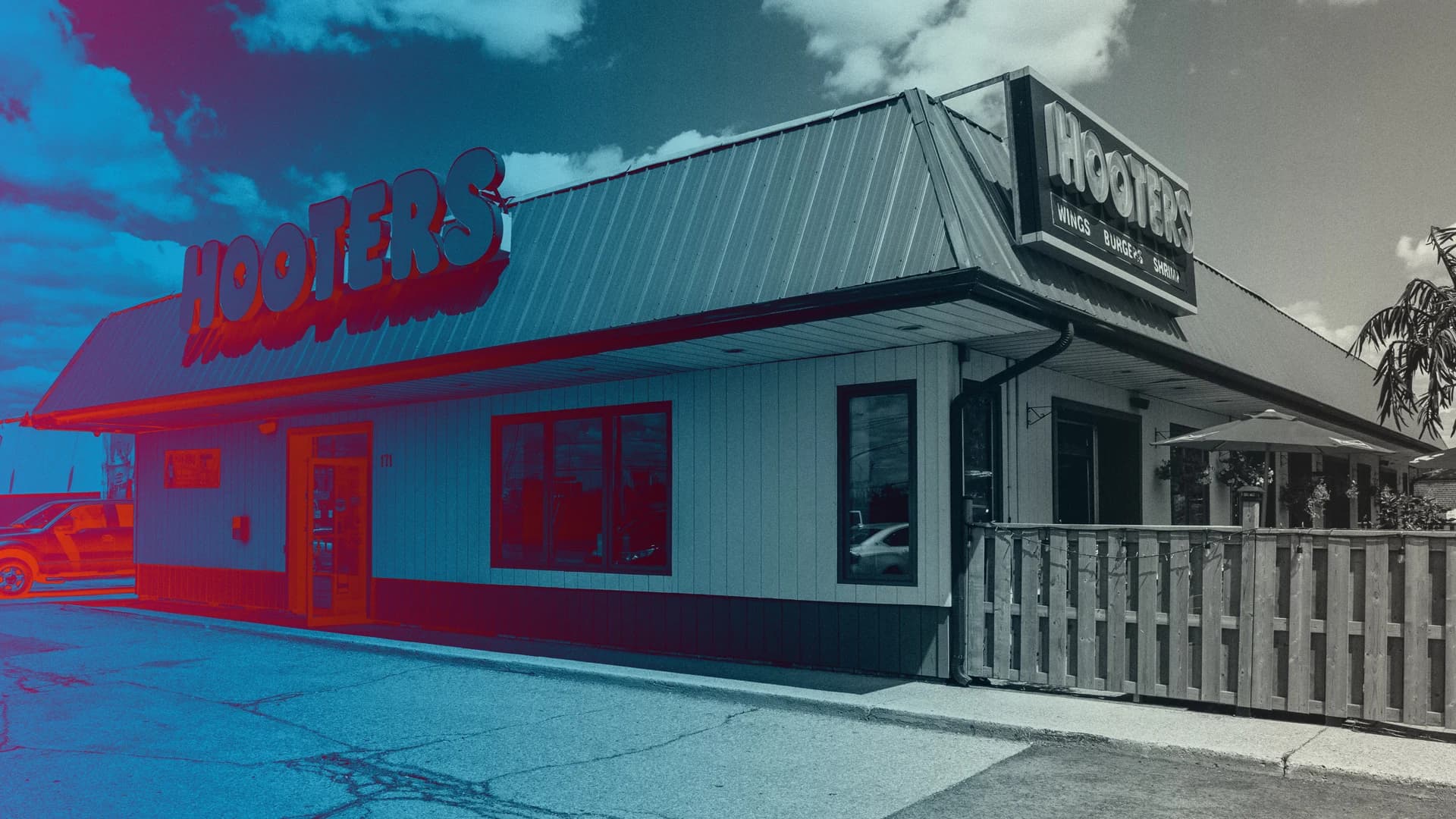
Photo via Inc.
According to Inc., the decline of Hooters offers an instructive case study for Atlanta-area entrepreneurs navigating increasingly complex cultural expectations. What once seemed like a sustainable business model—built on a specific brand identity—became a liability as consumer values shifted. For founders in Atlanta's rapidly evolving business landscape, the lesson is clear: brand positioning that worked a generation ago may not survive scrutiny in today's environment.
The core issue wasn't necessarily the concept itself, but rather the brand's failure to adapt meaningfully as its market matured. While competitors and newer entrants recognized changing consumer preferences and adjusted their strategies, the company remained largely static. This inflexibility created vulnerability to both demographic shifts and cultural criticism. For Atlanta startups and established businesses alike, the takeaway is that brand strategy requires continuous reassessment, not set-it-and-forget-it approaches.
Modern brands operating in Atlanta's diverse, educated market must recognize that cultural relevance is now a business fundamental, not a peripheral concern. Companies that ignore this reality risk alienating customers, losing talent recruitment advantages, and facing reputational challenges that spread rapidly through social media. The most successful Atlanta businesses—from tech startups to established retailers—are those that actively engage with evolving community values while staying authentic to their core mission.
For entrepreneurs launching ventures in Atlanta, the Hooters example underscores a critical principle: anticipate cultural currents rather than react to them. Build organizational flexibility into your model from inception. Establish feedback mechanisms that help you recognize when market sentiment is shifting. The brands that thrive in Atlanta's competitive environment will be those that view cultural awareness not as a constraint, but as a competitive advantage.