Photo via Fast Company
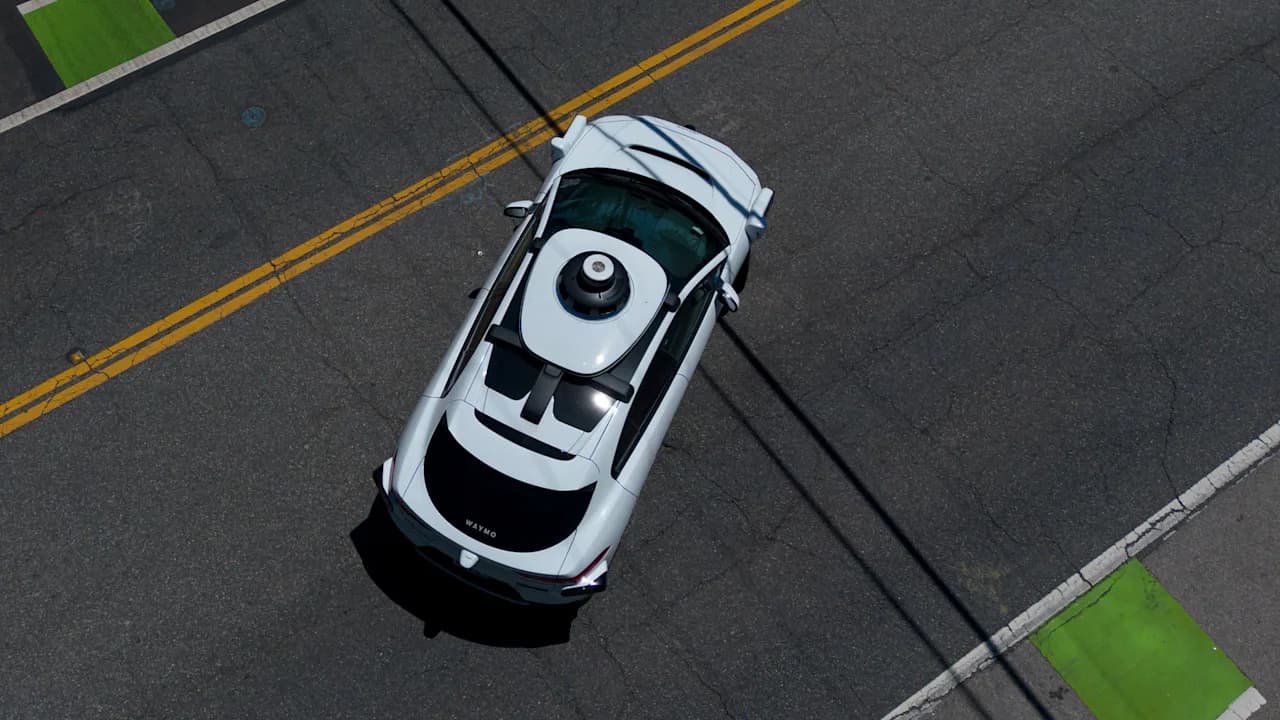
A northwest Atlanta residential neighborhood has experienced an unexpected surge in early morning traffic over the past two months, but the culprit isn't human commuters—it's dozens of driverless Waymo vehicles circling cul-de-sacs with no passengers aboard. According to reports from local residents, the volume has intensified dramatically in recent weeks, with as many as 50 empty robotaxis passing through residential streets between 6 and 7 a.m. The phenomenon has prompted community concerns about both the peculiar routing behavior and potential safety implications for families and school-aged children in the area.
Waymo has operated its Atlanta robotaxi service since June 2025, maintaining a fleet of approximately 100 vehicles throughout the metro area. The company's vehicles are programmed to seek street parking during idle periods between rides, rather than returning exclusively to service depots. According to Waymo's product management, the autonomous vehicles select parking locations and sometimes circle areas of projected high demand to optimize supply-and-demand matching. However, a quiet residential cul-de-sac appears to be neither—raising questions about what algorithmic logic is directing the vehicles to these neighborhoods.
Residents have expressed legitimate safety concerns about the increased vehicular traffic in areas where children wait for school buses and families conduct daily activities. One frustrated resident even placed a plastic child-at-play traffic deterrent in the road, which inadvertently created a traffic jam of confused autonomous vehicles attempting to navigate the obstacle. The incident underscores a growing tension as autonomous vehicle operators scale operations in Atlanta without clear community guidelines for how idle fleets should behave in residential zones.
Waymo has stated that it has "already addressed this routing behavior" and emphasized its commitment to being a good neighbor in Atlanta. The company points to its broader safety record—500,000 weekly trips nationally with reduced traffic injuries—and pledges to maintain respectful operations. However, the incident highlights a policy gap in autonomous vehicle deployment: as these services expand across Atlanta, clearer protocols may be needed to designate appropriate parking and idle zones away from residential areas, balancing operational efficiency with neighborhood livability.