Photo via 11Alive Atlanta
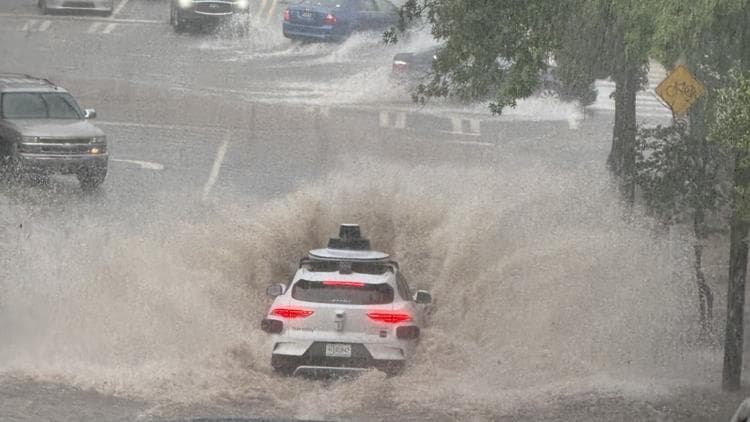
Waymo, Google's autonomous vehicle subsidiary, temporarily halted rideshare services in Atlanta this week after at least two of its driverless vehicles encountered impassable flood conditions on city streets, according to 11Alive Atlanta. The incident underscores the real-world limitations autonomous vehicle operators face when responding to unpredictable weather events, a critical consideration for companies seeking to expand robotaxi services in the Southeast.
The suspension reflects a broader challenge facing the autonomous vehicle industry: these vehicles, while sophisticated in navigation and decision-making, rely heavily on pre-mapped routes and data systems that may not account for rapidly changing environmental hazards. Atlanta's susceptibility to flash flooding during severe weather events means that companies operating autonomous fleets in the region must develop protocols to protect their assets and ensure passenger safety during meteorological emergencies.
For Atlanta's growing tech and mobility ecosystem, the incident raises important questions about infrastructure readiness and the integration of autonomous vehicles into urban transportation networks. As multiple companies continue testing and expanding autonomous services in metro Atlanta, city planners and technology operators will need to collaborate on weather response strategies and system redundancies.
Waymo's decision to pause service demonstrates a cautious approach to safety and operational continuity. The company's ability to quickly identify problems and halt operations—rather than allowing vehicles to operate in hazardous conditions—may ultimately build consumer confidence as autonomous vehicle adoption expands across Atlanta and other southeastern markets.