Photo via 11Alive Atlanta
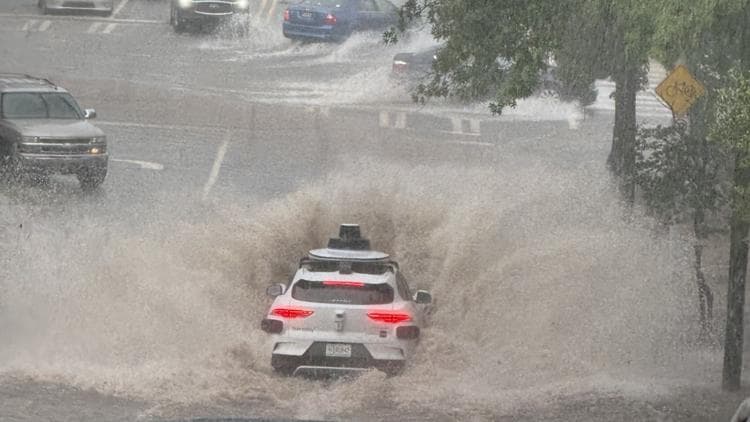
Waymo has resumed operations in Atlanta following a weather-related incident that temporarily sidelined at least two of its autonomous vehicles in flood conditions. According to 11Alive Atlanta, the driverless cars became stalled after navigating into a flooded area, highlighting potential vulnerabilities in autonomous vehicle routing systems during severe weather events.
The incident underscores a critical challenge for the autonomous vehicle industry operating in the Southeast, where sudden heavy rainfall and flash flooding are common seasonal occurrences. For Atlanta-based ridership and logistics operations relying on autonomous fleets, the episode raises important questions about how AI-driven navigation systems respond to rapidly changing environmental conditions and whether they can reliably identify and avoid hazardous road conditions.
Waymo's swift resumption of service suggests the company has implemented corrective measures or protocol adjustments to prevent similar incidents. However, the episode serves as a reminder that autonomous vehicle operators must continue refining their weather detection and route-planning algorithms to maintain passenger safety and service reliability in Atlanta's climate.
As autonomous vehicle deployment expands across Atlanta's transportation and logistics sectors, this incident will likely prompt discussions among city officials, tech companies, and operators about safety standards, liability frameworks, and the infrastructure requirements needed to support autonomous fleets in real-world conditions. The path forward may require closer collaboration between weather services and autonomous vehicle operators.