Photo via Fortune
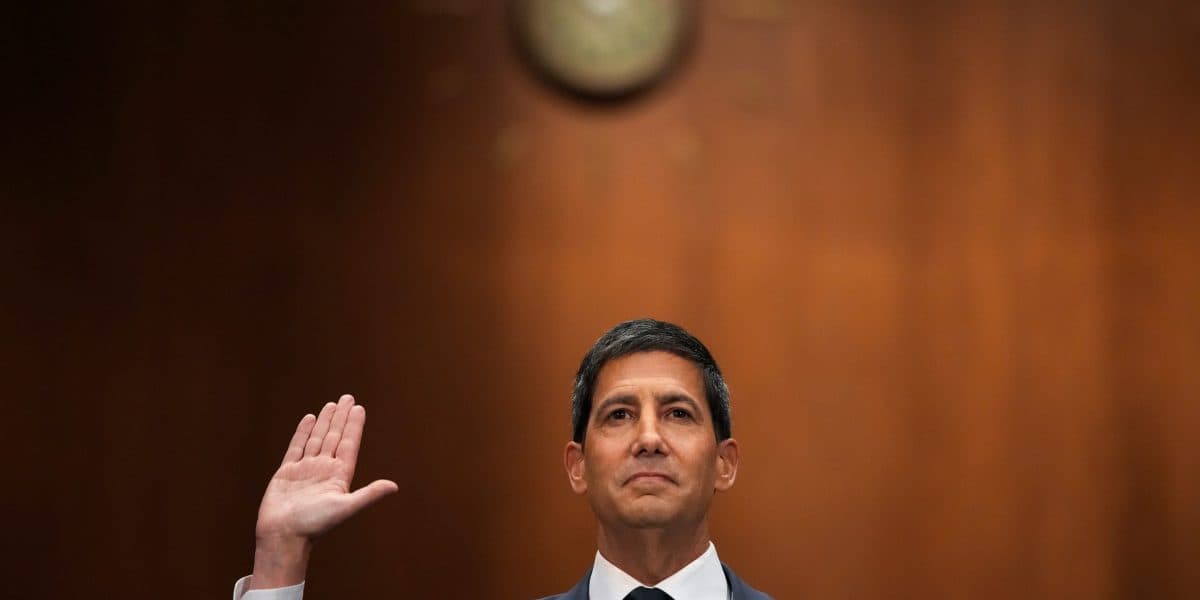
Kevin Warsh is positioned to potentially lead the Federal Reserve at a pivotal moment for monetary policy, with significant implications for Atlanta's business community. During his confirmation hearing, Warsh stated that 'inflation is a choice,' signaling a philosophical approach to interest rates that aligns with calls for more aggressive rate reductions. According to Fortune, this positioning suggests movement toward the rate-cut environment that policymakers have been advocating for.
For Atlanta-area businesses and commercial real estate investors, the direction of federal interest rates carries enormous weight. Lower rates would reduce borrowing costs for expansion projects, commercial mortgages, and consumer loans—areas where Atlanta's booming tech sector, hospitality industry, and real estate market remain highly sensitive. Atlanta's position as a major logistics and distribution hub also depends on favorable lending conditions for supply chain investments.
Warsh's stated belief that inflation represents a policy choice rather than an inevitable economic force could reshape discussions around rate timing and magnitude. If confirmed, his influence at the Fed would test whether conviction matches rhetoric, as the central bank balances inflation concerns against employment and growth objectives that matter deeply to regional employers.
Atlanta business leaders should monitor Warsh's confirmation process and any statements about near-term monetary policy direction. The outcome could influence everything from commercial lending availability to consumer spending power in the region, potentially accelerating or delaying capital investment decisions across multiple sectors in the coming quarters.