Photo via Fox5 Atlanta
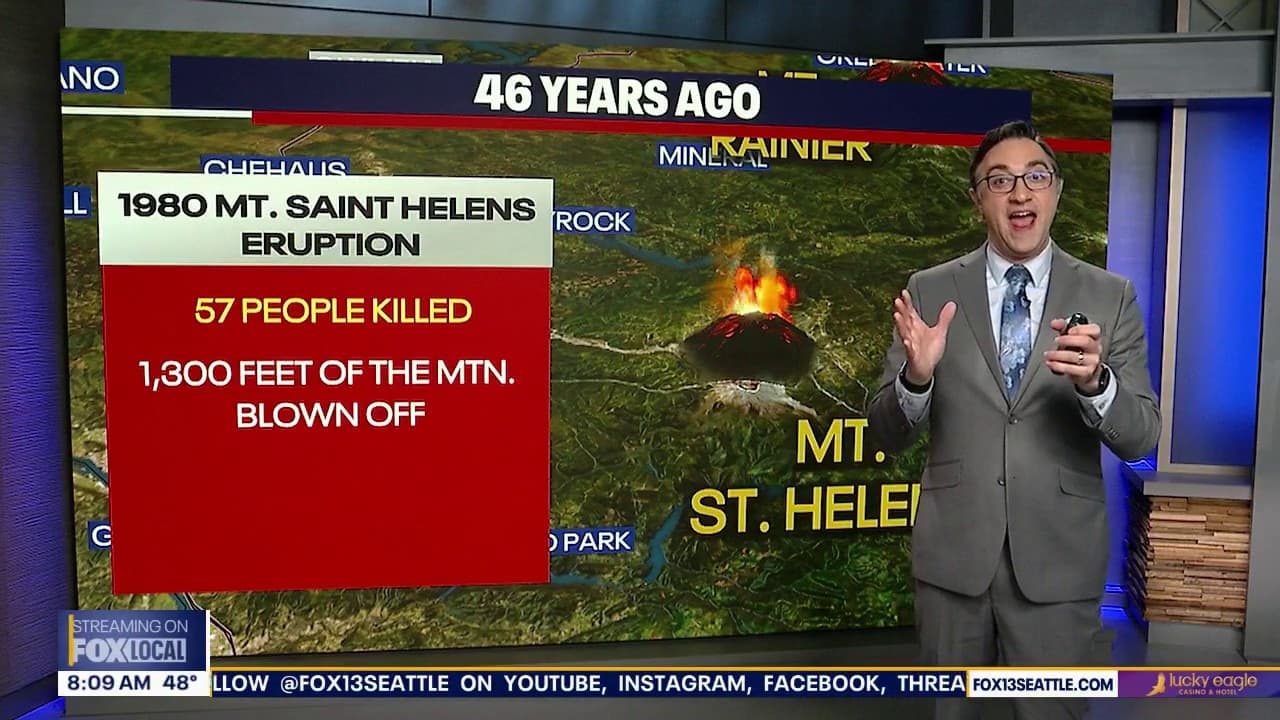
The catastrophic 1980 Mount St. Helens eruption in Washington State killed 57 people and caused widespread destruction, marking the deadliest volcanic event in U.S. history. According to Fox5 Atlanta, this disaster became a watershed moment that fundamentally reshaped how scientists and engineers approach volcanic activity monitoring and prediction, establishing frameworks that have proven invaluable for risk management across multiple industries.
In the aftermath of the eruption, researchers and government agencies invested heavily in developing sophisticated monitoring systems, deploying networks of seismometers, gas sensors, and satellite imaging technology to detect early warning signs of volcanic activity. These technological innovations represent a significant advancement in real-time environmental monitoring—expertise that has since been adapted by various sectors, including energy companies and infrastructure operators managing natural disaster risks.
For Atlanta-area businesses and industries reliant on national supply chains and energy infrastructure, the volcanic monitoring revolution offers important lessons. The systematic approach to detecting environmental threats and implementing early warning systems has influenced how utilities, logistics providers, and other critical sectors now plan for natural disasters and operational continuity. This proactive mindset has become essential as climate volatility increases.
Today, the monitoring systems pioneered in the wake of Mount St. Helens continue to evolve with advances in artificial intelligence and predictive analytics. These technological capabilities extend far beyond volcanology, informing how Atlanta's business community approaches data-driven risk assessment and environmental planning. The legacy of this 1980 disaster underscores the value of investing in robust monitoring infrastructure before crisis strikes.