Photo via FreightWaves
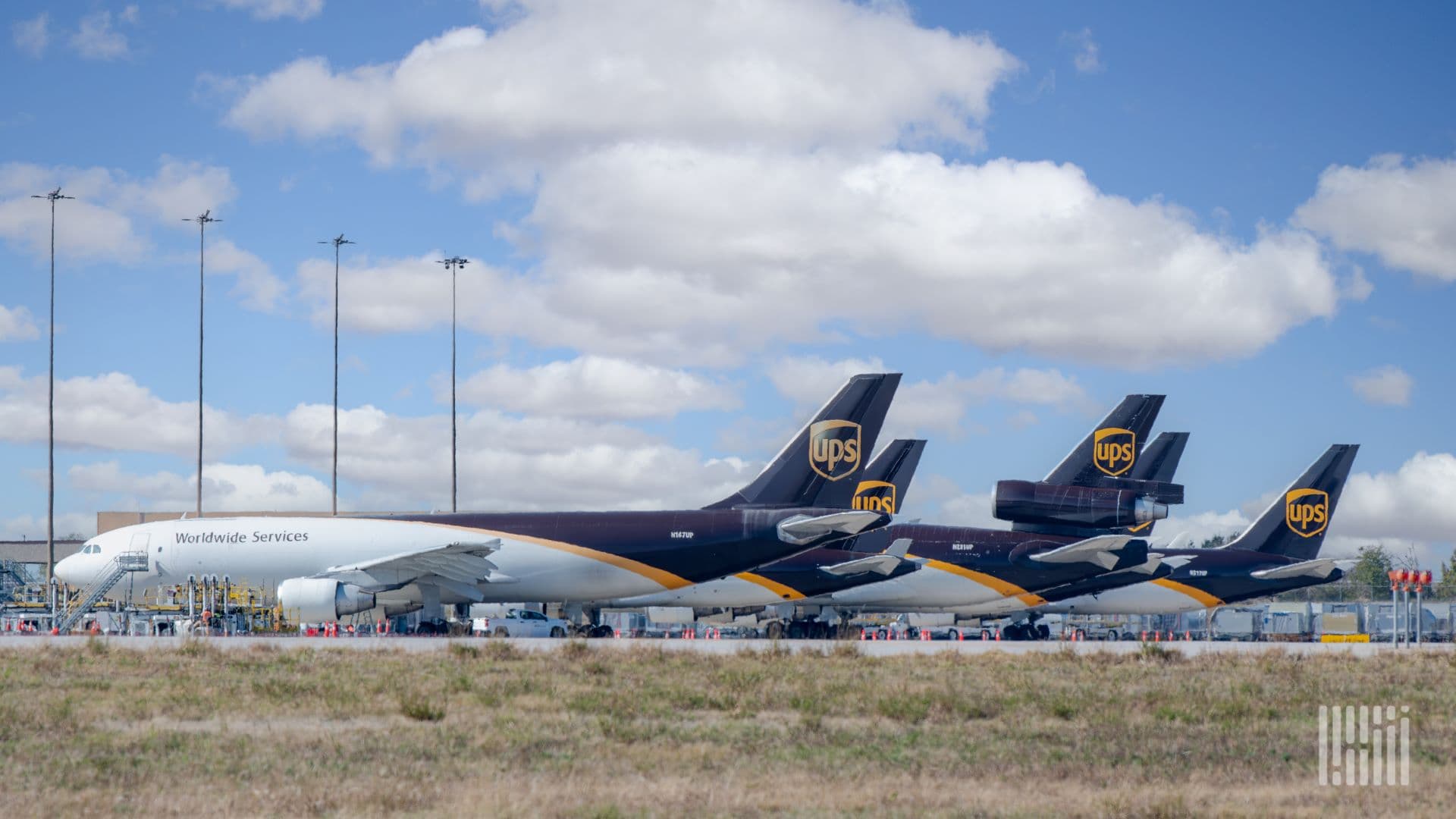
According to a recent audit, the U.S. Postal Service is relying increasingly on air transportation for long-distance mail delivery to compensate for declining parcel volumes and avoid financial penalties associated with unmet volume commitments under its contract with UPS. This operational shift contradicts the agency's stated strategy to reduce air shipments in favor of more cost-efficient surface transportation methods.
The practice highlights a tension within USPS operations between contractual obligations and strategic efficiency goals. By moving approximately half of its long-distance mail by air, the postal carrier is incurring higher transportation costs to satisfy contractual guarantees, potentially limiting resources available for other operational priorities or service improvements.
The audit findings raise questions about the cost-effectiveness of the UPS agreement and whether current contract terms adequately reflect the postal service's operational realities. Policymakers and USPS leadership may need to evaluate whether renegotiating volume commitments or restructuring the contract could better align the agency's shipping methods with its broader sustainability and cost-management objectives.