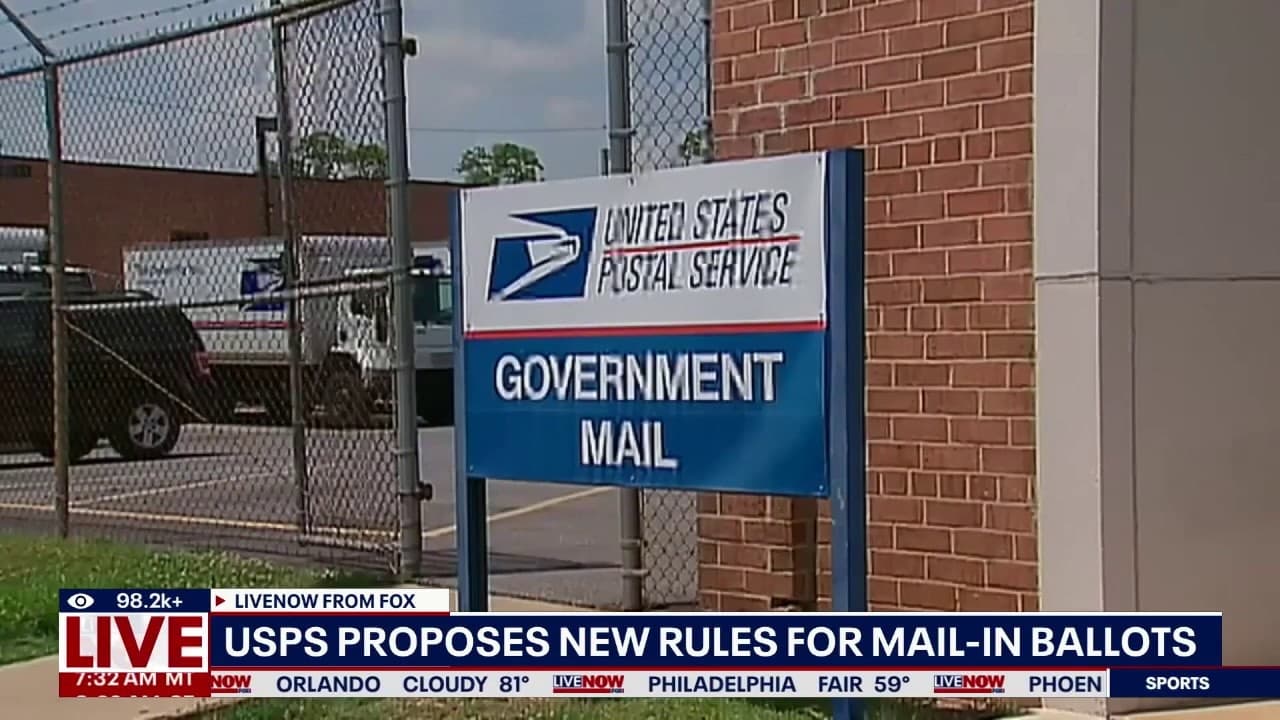
Photo via Fox5 Atlanta
The U.S. Postal Service has unveiled proposed regulations that would implement a contentious executive order from the Trump administration regarding mail-in voting procedures. According to Fox5 Atlanta, these new rules would mandate that states develop systems to identify and maintain lists of mail voters, fundamentally altering how ballots are distributed and tracked through the postal system.
For Georgia's business and civic infrastructure, the implications are significant. Georgia relies heavily on mail voting, particularly in metro Atlanta where large populations of commuters and professionals utilize absentee ballots. The state's election administrators and logistics operations would need to establish new compliance frameworks, potentially requiring investments in technology systems and personnel training to meet federal requirements.
The proposal has generated considerable debate among election officials and policy experts about implementation feasibility and costs. States like Georgia that process hundreds of thousands of mail ballots during general elections face questions about whether current postal and election infrastructure can accommodate additional tracking and identification protocols without creating bottlenecks.
Business leaders in Atlanta's logistics and technology sectors are watching closely, as these regulations could create demand for specialized election management software, data systems, and compliance consulting services. The outcome may also influence how other states approach mail voting procedures, potentially setting national standards for ballot handling and voter identification tracking.