Photo via FreightWaves
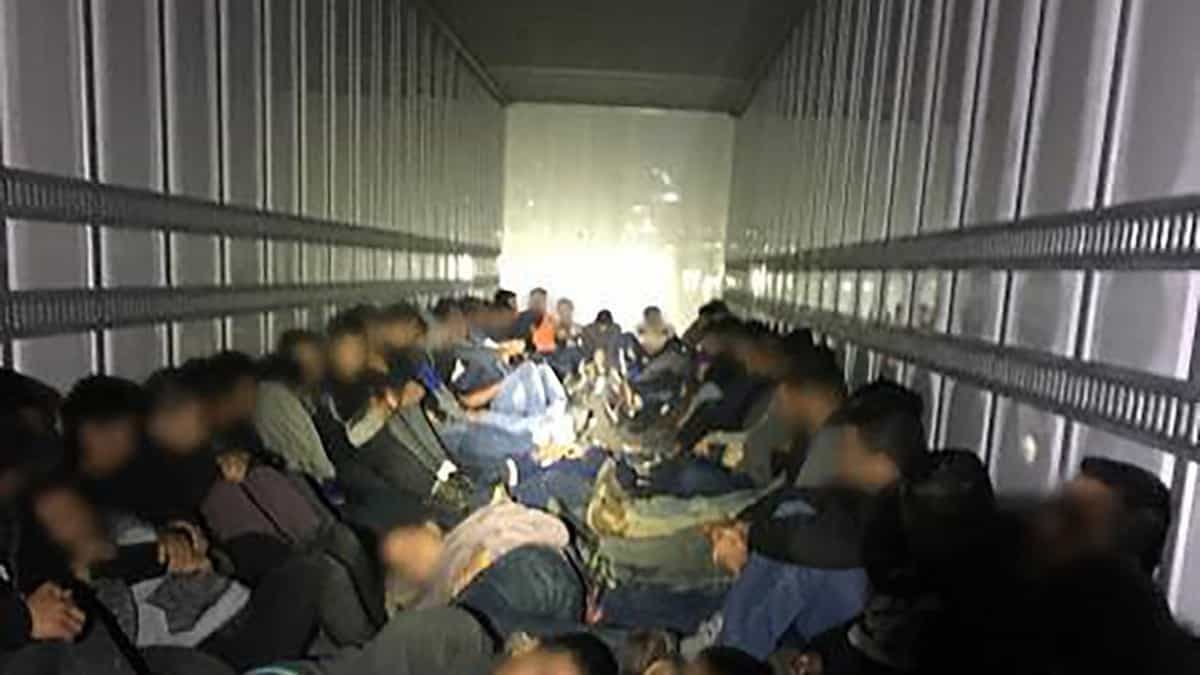
The U.S. Department of Labor has taken enforcement action against 60 countries, citing insufficient efforts to prevent forced labor in imported goods and imposing tariffs as high as 12.5%. According to FreightWaves, this broad trade measure represents an escalation in the government's push to address labor trafficking and exploitation in global supply chains.
For Atlanta's logistics and import-export sector, these tariffs could meaningfully increase operational costs and complexity. Port of Savannah operators and Atlanta-based freight forwarders will need to reassess supplier relationships and compliance protocols for goods originating from the affected nations, potentially squeezing margins and requiring supply chain recalibration.
The tariff action reflects broader pressure on companies to demonstrate ethical sourcing practices. Retailers and manufacturers sourcing from these regions—a common practice for cost-conscious businesses—will face higher landed costs and may need to explore alternative suppliers or invest in supply chain transparency measures to remain competitive.
Atlanta businesses should monitor which sectors and source countries are most affected by these tariffs. Companies in retail, consumer goods, and manufacturing that rely heavily on imports from the named countries should consult trade counsel and review their compliance documentation to understand exposure and prepare for potential rate increases in 2024.