
Photo via Fox5 Atlanta
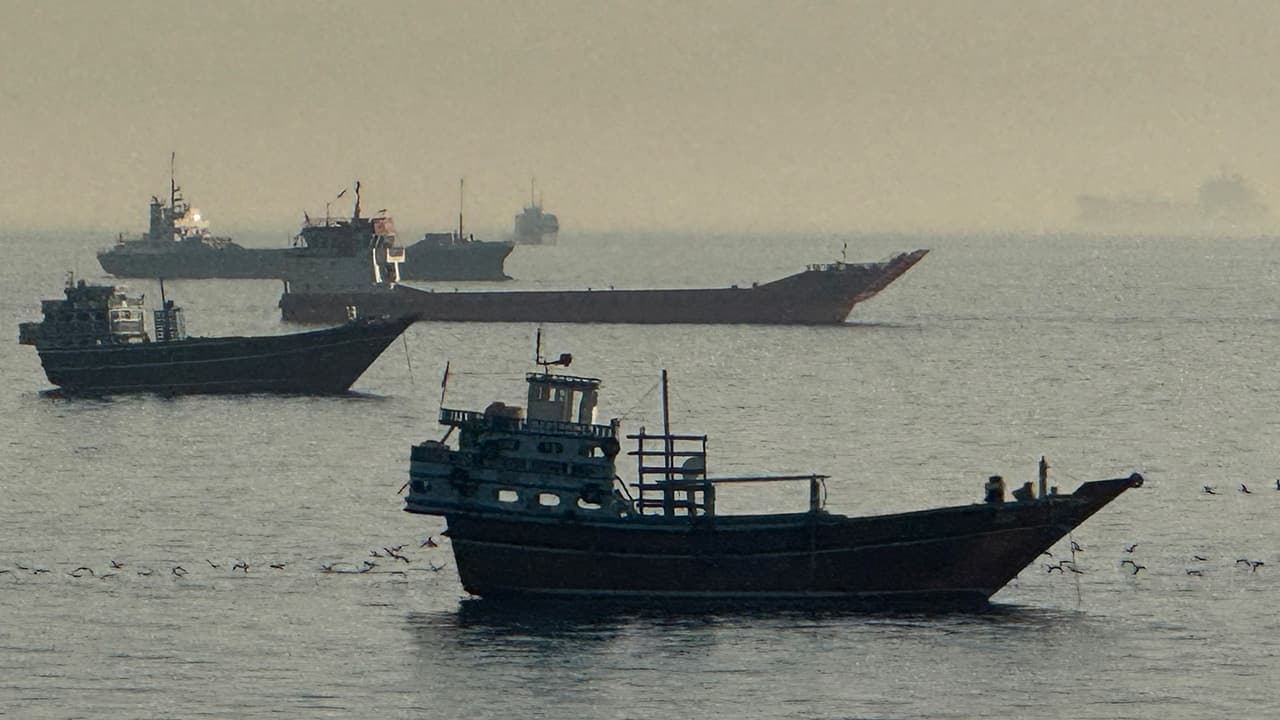
According to Fox5 Atlanta, U.S. Marines conducted a boarding operation on an Iranian-flagged oil tanker in the Gulf of Oman on Wednesday, marking the fifth such interception as part of an American blockade effort targeting Iranian vessels suspected of attempting to circumvent international restrictions.
The escalating maritime enforcement operations raise questions about global energy supply stability and pricing. Georgia's strategic role in energy logistics—particularly through the Port of Savannah and regional petroleum distribution networks—means these geopolitical tensions could have direct implications for local businesses managing fuel costs and supply chain operations.
Energy sector observers note that increased naval enforcement in key shipping corridors typically creates volatility in crude oil markets and transportation costs. Atlanta-area companies dependent on stable energy pricing, including manufacturing facilities, logistics providers, and transportation fleets, should monitor developments as potential cost pressures.
The broader implications of US-Iran maritime tensions extend beyond energy pricing. Businesses engaged in international trade, shipping, and logistics should review their supply chain risk assessments and consider how geopolitical flashpoints in critical waterways might affect their operations and customer commitments.