Photo via Fortune
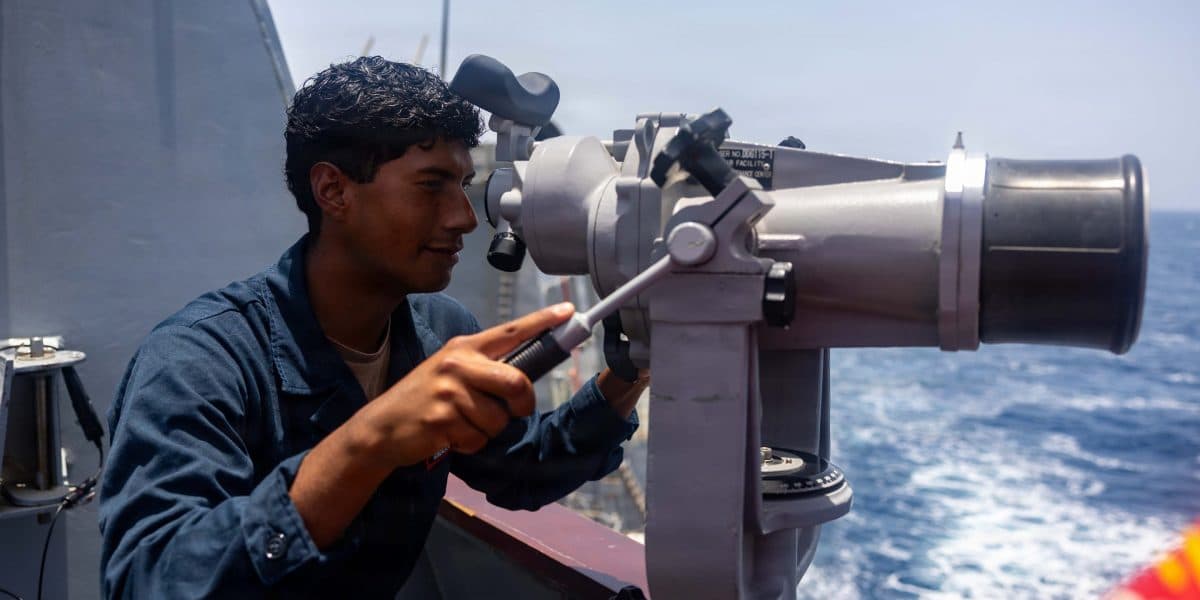
According to Fortune, the U.S. military took decisive action against a cargo vessel in the Gulf of Oman after the ship disregarded more than 20 warnings while attempting to enter an Iranian port. The incident underscores escalating tensions in one of the world's most critical shipping corridors, through which millions of barrels of oil and containerized goods pass daily—directly affecting supply chains that reach Georgia's ports and logistics hubs.
The targeted strike hit the vessel's engine room, rendering it immobile in international waters. U.S. forces have not yet boarded the disabled ship, leaving questions about its cargo, crew welfare, and salvage operations. For Atlanta-area logistics companies with international operations, such military enforcement actions highlight the risks associated with Middle Eastern shipping routes and the importance of compliance with international maritime regulations.
The blockade enforcement reflects broader geopolitical strategies aimed at restricting Iranian trade and military capabilities. These regional disruptions can ripple through global supply chains, potentially affecting freight rates, insurance costs, and delivery timelines for Atlanta-based import-export businesses and retailers dependent on Asian and Middle Eastern suppliers.
The incident serves as a reminder for Georgia's maritime industry that geopolitical volatility remains a significant factor in international commerce. Companies relying on ocean freight through the Indian Ocean and Persian Gulf should review their supply chain diversification strategies and cargo routing protocols to mitigate risks from similar blockade enforcement actions.