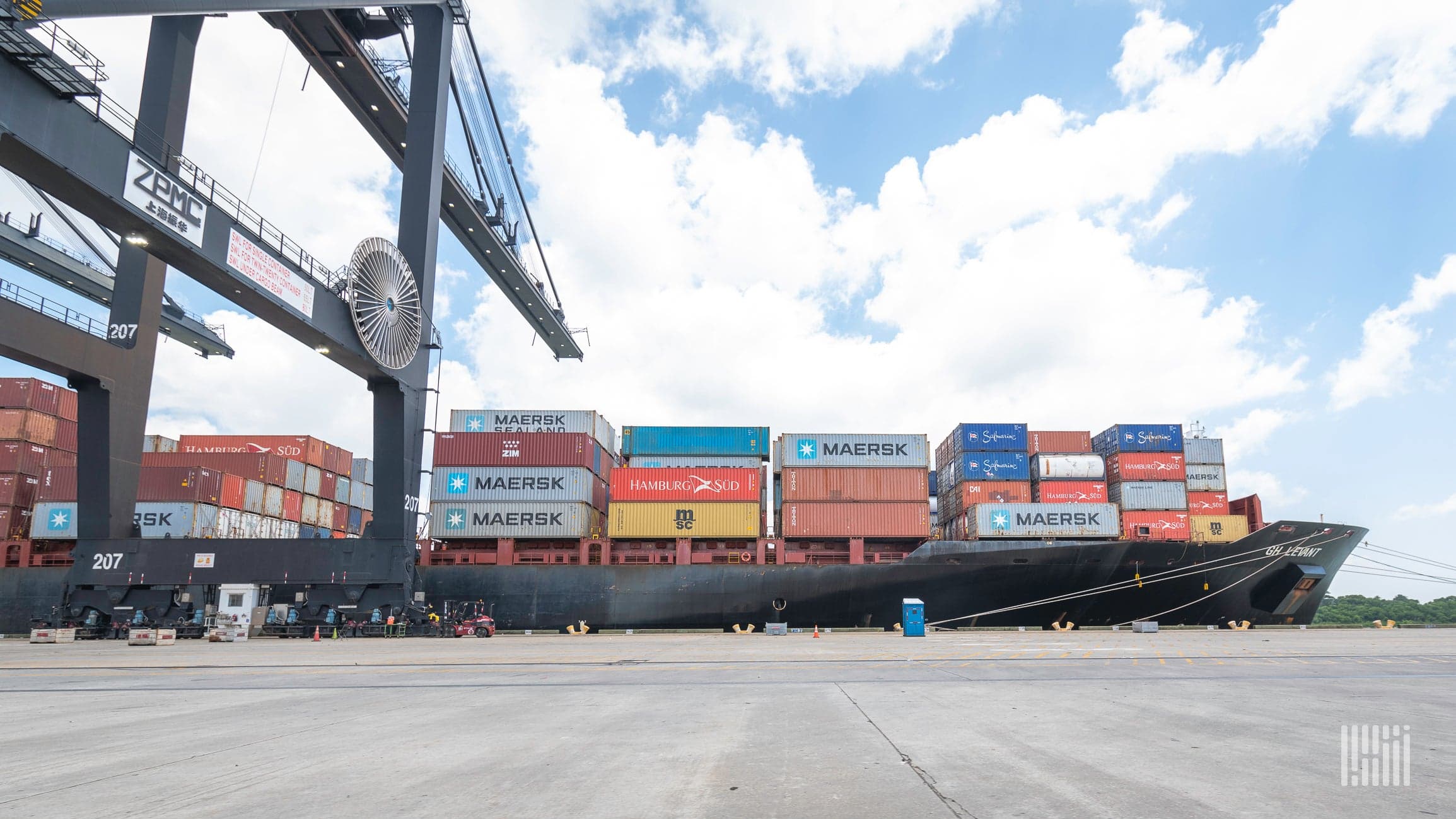
Photo via Fox5 Atlanta
Negotiations between the United States and Iran have hit a critical juncture as new military developments over the weekend have thrown the status of a proposed peace agreement into question. According to Fox5 Atlanta, the current proposal remains in limbo while both sides navigate the fallout from recent escalations.
President Trump has taken to pushing back against media characterizations of the deal's terms, signaling potential discord between the administration's messaging and reported details of the agreement. This rhetorical positioning suggests the White House may be reassessing its negotiating posture as discussions continue.
For Atlanta-area businesses, particularly those in energy, logistics, and international trade, geopolitical instability in the Middle East can create market volatility and supply chain uncertainties. Companies with exposure to oil markets or international operations may face increased hedging costs and operational planning challenges as long as the agreement remains unresolved.
The ongoing ambiguity underscores how quickly diplomatic developments can influence global markets and investor sentiment. Business leaders across the Southeast should continue monitoring these negotiations, as resolution—or further deterioration—could have meaningful implications for energy prices, insurance costs, and international commerce over coming quarters.