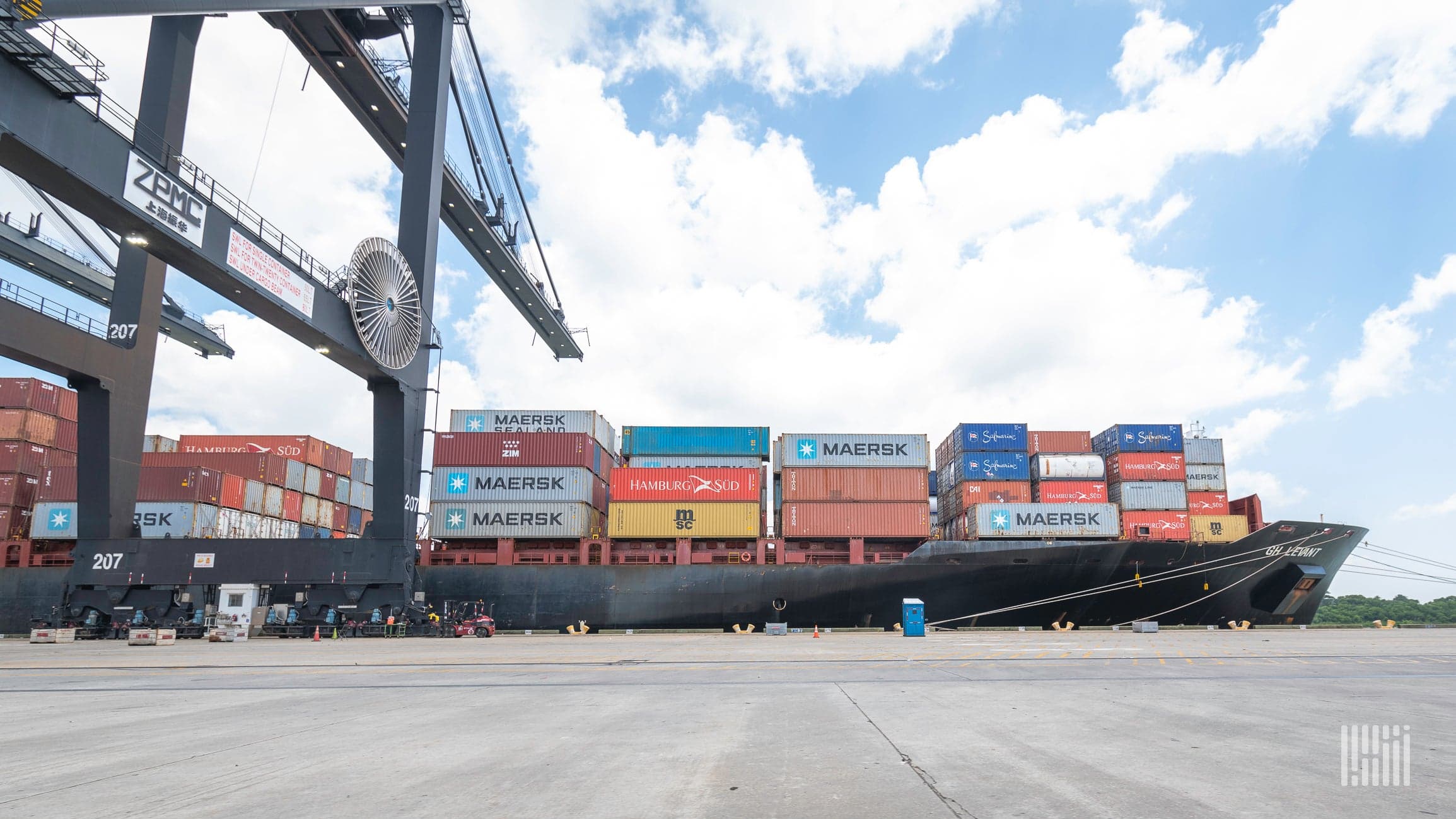
Photo via Fox5 Atlanta
Diplomatic negotiations between the United States and Iran have advanced significantly, with officials reporting to The Associated Press that a memorandum of understanding aimed at resolving ongoing tensions is nearing finalization. The development marks a potential turning point in international relations that could have far-reaching implications for American businesses operating in global markets, including those headquartered in Atlanta.
Energy markets stand to be among the most directly impacted sectors should a US-Iran accord materialize. Georgia's port operations and logistics companies that facilitate international trade could benefit from expanded market access and reduced geopolitical risk premiums that currently affect shipping costs and supply chain stability across the Southeast region.
The energy sector, particularly relevant to the broader Southeast economy, has been subject to sanctions-related volatility that affects everything from fuel prices to manufacturing costs. An easing of US-Iran tensions could stabilize commodity markets, potentially lowering operational expenses for Atlanta-area manufacturers, transportation firms, and businesses dependent on predictable energy pricing.
While negotiations remain subject to final agreements, Atlanta business leaders and investors should monitor this diplomatic progress closely. Policy shifts of this magnitude typically create both opportunities and risks across multiple industries, from finance and real estate to retail and logistics, making it prudent for regional companies to assess their positioning in a potentially shifted geopolitical landscape.