
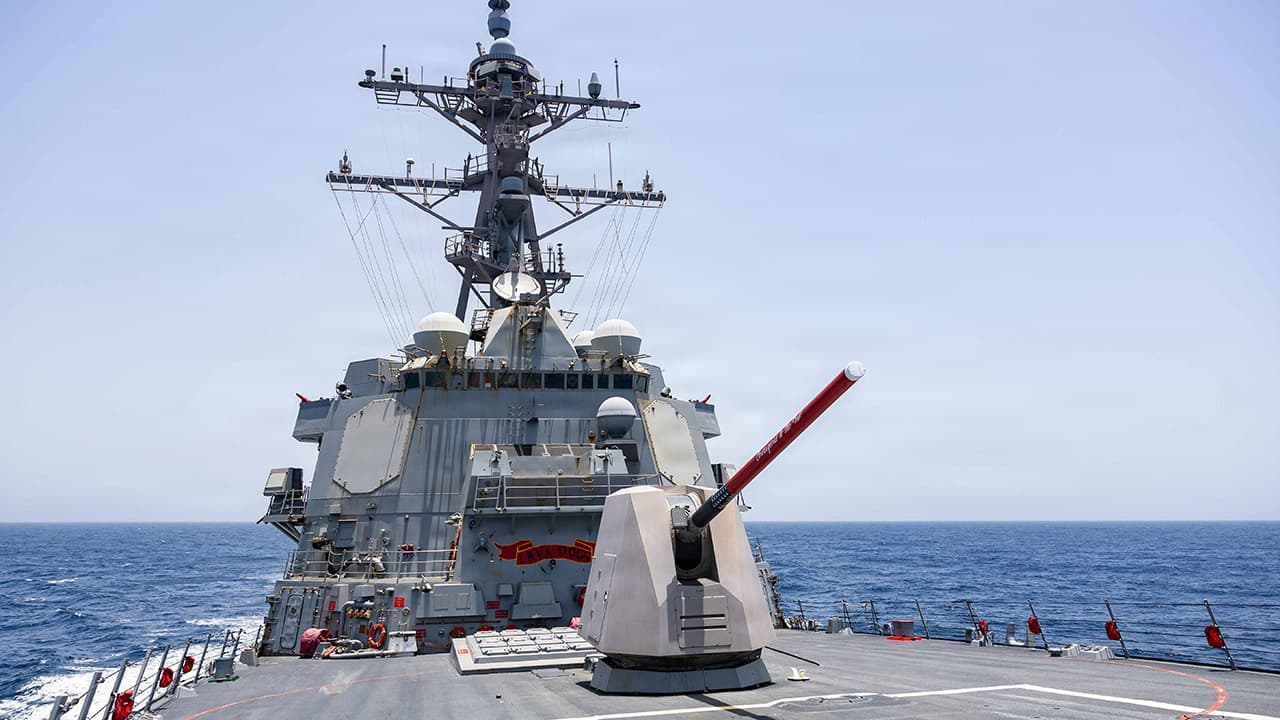
Photo via Fox5 Atlanta
According to Fox5 Atlanta, diplomatic efforts between the United States and Iran are advancing toward a potential agreement aimed at resolving regional conflict and reopening the Strait of Hormuz, one of the world's most critical shipping channels. For Atlanta's business community—particularly companies engaged in international trade, logistics, and energy sectors—the outcome of these negotiations could have far-reaching consequences for supply chain stability and operational costs.
The Strait of Hormuz serves as a vital passage for global oil and liquefied natural gas shipments, with a significant portion of worldwide energy supply flowing through this narrow waterway. Any disruption or reopening of this route directly impacts fuel prices, shipping rates, and inventory management decisions for Atlanta-based manufacturers, retailers, and distribution centers that depend on predictable energy costs and reliable maritime commerce.
Energy companies operating in Georgia and throughout the Southeast have closely monitored regional geopolitical developments, as fluctuations in Middle Eastern stability can trigger volatile commodity pricing. A successful diplomatic resolution could stabilize energy markets, potentially easing cost pressures on heating, transportation, and production across numerous Atlanta-area industries.
Business leaders in logistics, supply chain management, and energy sectors should monitor developments in these negotiations, as policy shifts could reshape freight corridors, insurance costs, and sourcing strategies. The outcome may influence everything from port activity at Georgia's terminals to pricing structures for regional manufacturing and distribution operations.