
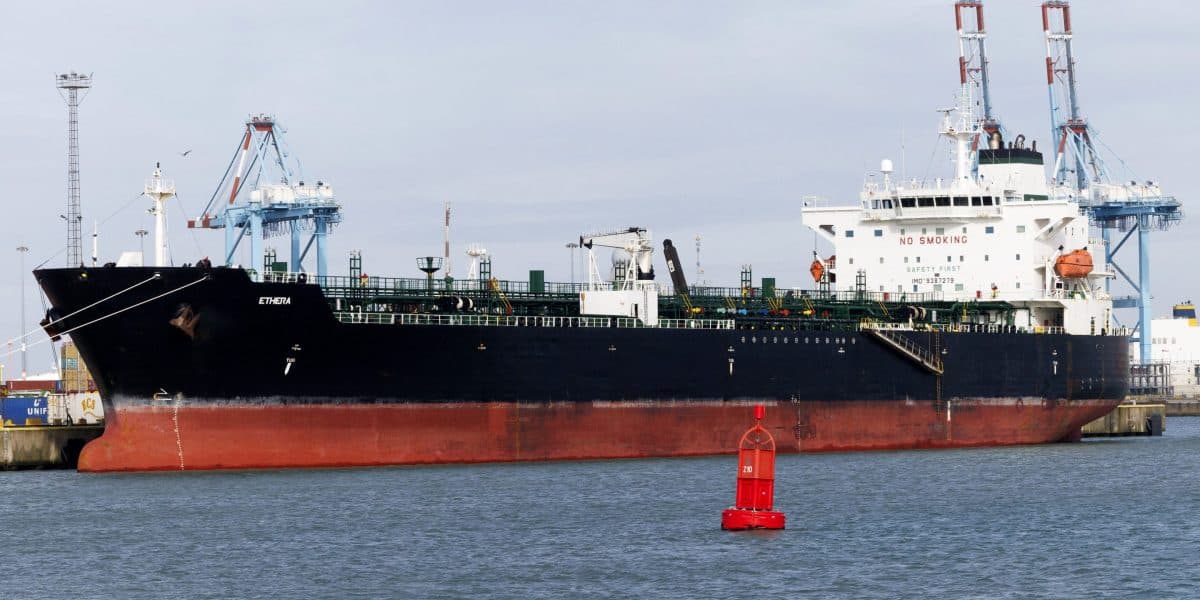
Photo via Fortune
The Biden administration has allowed a temporary waiver on Russian oil sanctions to lapse, effectively closing a brief window that had permitted limited purchases of Russian petroleum. According to Fortune, this move marks a shift in the administration's approach to energy sanctions, even as global oil markets remain constrained by production concerns and geopolitical tensions.
The waiver had provided a narrow exception to broader sanctions imposed following Russia's invasion of Ukraine, allowing certain transactions that would otherwise violate restrictions. Its expiration signals a hardening stance on energy trade with Russia, though policymakers face competing pressures: maintaining sanctions enforcement while managing inflationary pressures on fuel-dependent sectors.
For Atlanta-area businesses, particularly those in logistics, manufacturing, and transportation, the tightening of oil supplies could have downstream effects on operational costs. Companies that rely on stable fuel pricing for fleet operations, shipping, and distribution may face continued volatility in energy markets, potentially affecting profit margins and pricing strategies.
Energy analysts suggest that the lapse of the waiver reflects geopolitical priorities taking precedence over near-term supply concerns. As global markets adjust to reduced Russian energy availability, Atlanta businesses should monitor fuel surcharges, transportation costs, and energy-intensive commodity prices, which could remain elevated in the coming months.