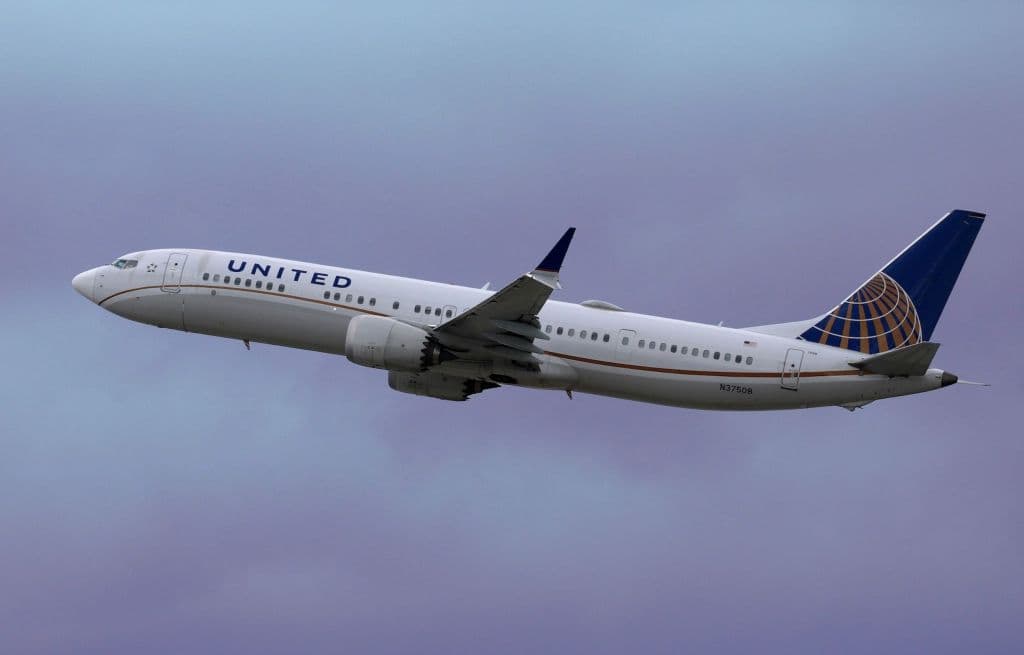
Photo via Entrepreneur
Scott Kirby, CEO of United Airlines, has charted an ambitious course to reshape his carrier's competitive position, particularly in premium cabin services and customer loyalty initiatives. According to Entrepreneur, Kirby's strategic focus on high-margin offerings and enhanced passenger experiences represents a significant shift in how United is positioning itself within the increasingly competitive domestic aviation market. This approach places United in direct competition with Delta Air Lines, which has long dominated premium travel segments and maintains substantial operations at Atlanta's Hartsfield-Jackson International Airport.
The United strategy centers on three key pillars: expanding premium cabin capacity, improving onboard connectivity, and deepening customer loyalty programs. By investing heavily in these areas, Kirby is betting that affluent business travelers and frequent flyers will choose United based on superior service quality and technological advantages. For Atlanta-area business professionals who regularly fly domestic routes, this competitive push could mean improved options and service enhancements across carriers serving the region's major hub.
Kirby's aggressive positioning reflects broader industry trends where airlines increasingly seek differentiation through premium offerings rather than competing solely on price. The CEO's willingness to make significant capital investments demonstrates confidence in the long-term profitability of the premium travel market, even amid economic uncertainty. His track record of analytical decision-making—referenced in the source material regarding his approach to calculated risk—suggests a methodical approach to this substantial corporate bet.
For Atlanta's business community, increased competition between United and Delta could yield tangible benefits, including expanded premium service options, enhanced loyalty rewards, and potentially improved connectivity through both carriers' networks. As United challenges Delta's traditional strengths in premium travel, Atlanta-based corporations and frequent business travelers may find themselves with compelling alternatives for their domestic aviation needs.