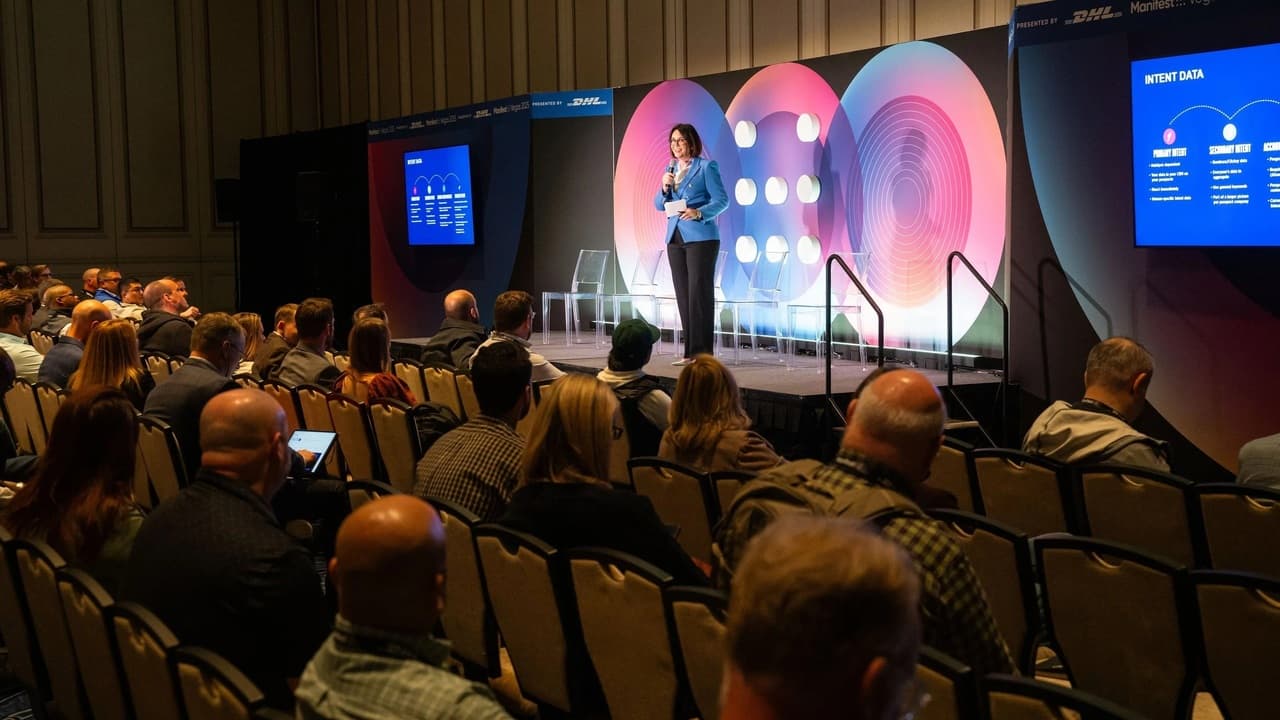
Photo via Inc.
TTEC Holdings, a $2 billion Colorado-based customer experience technology company, has made a significant shift in its compensation strategy by suspending its 3 percent 401(k) match for employees. According to reporting from Inc., the company is redirecting those funds toward artificial intelligence tools, training, and capability development—a move that reflects the intense pressure businesses face to compete in the rapidly evolving AI landscape.
The decision underscores a broader corporate trend where established companies are betting heavily on AI transformation. Rather than maintaining traditional employee benefits, TTEC leadership has calculated that investing in AI infrastructure and employee AI training will better position the company for long-term competitiveness. For Atlanta-area businesses and tech professionals, this decision signals how quickly corporate priorities are shifting in response to AI disruption.
The move has sparked debate about corporate responsibility and employee retention. Suspending retirement benefits—even temporarily—can impact workforce morale and recruitment, particularly in competitive tech markets where talent expects comprehensive compensation packages. Companies making similar decisions will need to weigh the trade-offs between short-term AI investment and long-term employee satisfaction and loyalty.
For Atlanta's growing tech and customer service sectors, TTEC's strategy offers a cautionary case study. As companies race to implement AI solutions, local business leaders must consider how to balance innovation investments with employee welfare. The decision raises important questions about whether cutting retirement contributions is the right lever to pull, or whether companies should pursue alternative funding strategies that don't sacrifice worker security.