Photo via Memeorandum
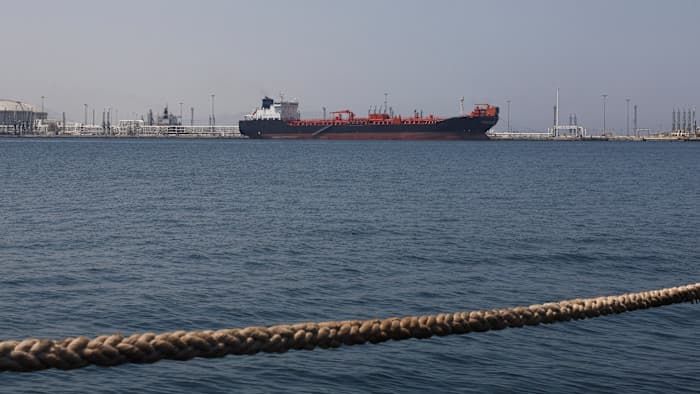
President Trump's ambitious $40 billion insurance facility designed to protect commercial shipping through the Strait of Hormuz has yet to record a single transaction since its announcement two months ago. According to the Financial Times, the program's lack of uptake stems primarily from the absence of guaranteed naval escorts through the critical waterway, a key concern for shipping companies evaluating risk.
The Strait of Hormuz serves as one of the world's most strategically important maritime chokepoints, with roughly one-third of global seaborne oil passing through its waters annually. For Atlanta-area logistics companies and port operators at the Georgia Ports Authority, disruptions or uncertainty in this corridor directly impact supply chain costs and shipping schedules to and from the Port of Savannah, the region's primary international gateway.
Industry observers suggest that shipping companies remain hesitant to participate without assurances of military protection, effectively neutralizing the insurance mechanism's appeal. The disconnect between the program's design and market expectations reveals the challenges federal initiatives face when addressing complex maritime security concerns without comprehensive operational support.
The initiative's failure to gain traction may prompt policymakers to reassess federal approaches to maritime commerce support. For Atlanta businesses dependent on reliable shipping routes—from port operators to logistics firms and importers—the outcome underscores the critical importance of clear, coordinated government policy in maintaining stable international trade corridors.