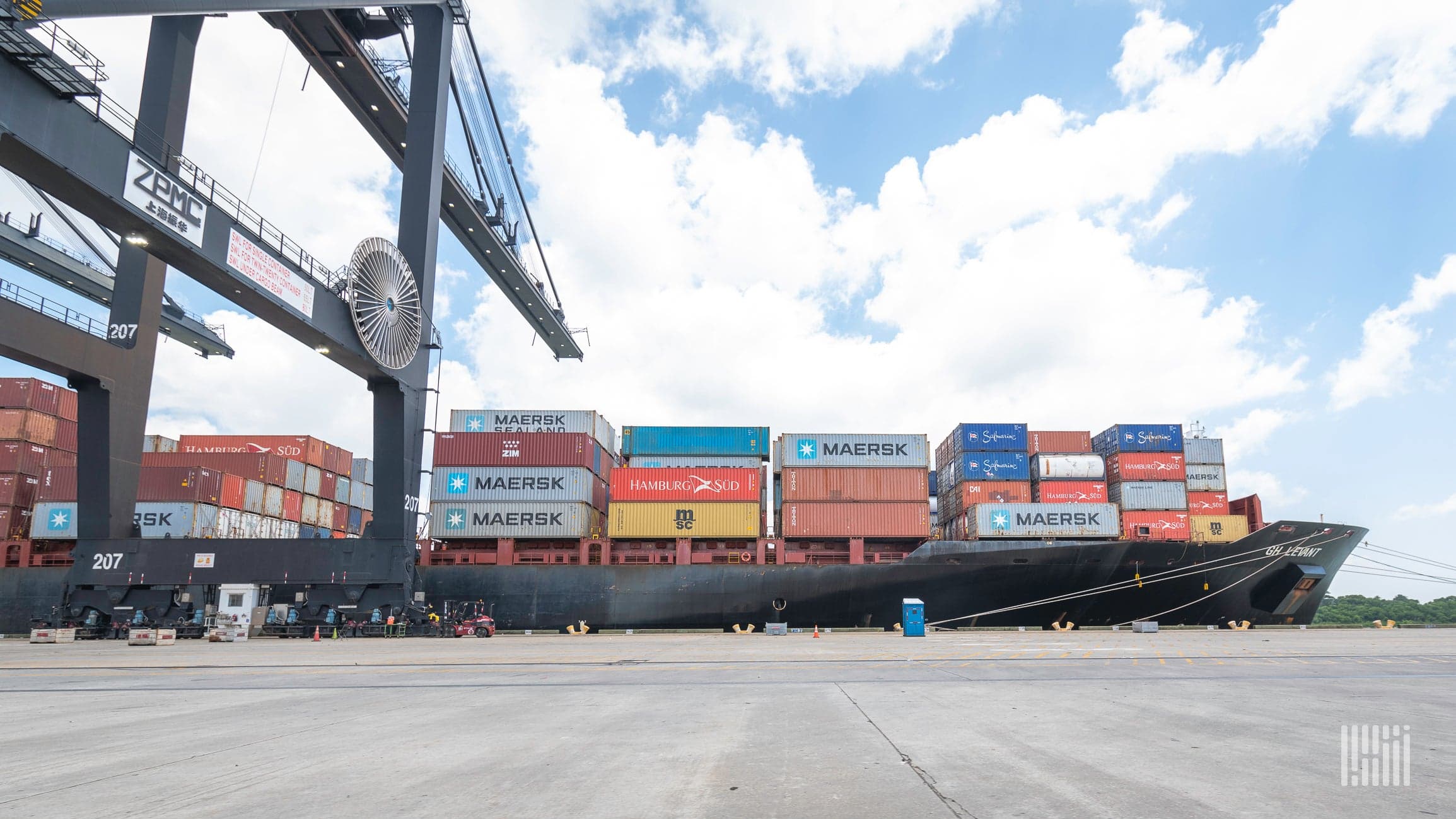
The Trump administration has announced a proposed 25% tariff on Brazilian imports, marking another escalation in its trade policy strategy. According to the New York Times, the move is justified by allegations of unfair trade practices and represents a continuation of the administration's broader effort to reshape U.S. trade relationships through aggressive tariff measures.
For Atlanta-area businesses, Brazilian trade carries significant weight. The Port of Savannah, a critical hub for Southeast commerce, handles substantial volumes of Brazilian agricultural products, minerals, and manufactured goods. A 25% tariff could increase import costs for retailers, manufacturers, and distributors throughout Georgia who rely on Brazilian sourcing, potentially raising consumer prices and squeezing margins across multiple industries.
The tariff proposal relies on Section 301 investigations, a legal mechanism that allows the administration to unilaterally impose tariffs based on findings of unfair trade practices. According to sources, this approach has become the administration's preferred tool for rebuilding its tariff agenda without requiring Congressional approval, signaling that more trade actions may be forthcoming across multiple trading partners.
Atlanta-based companies in logistics, retail, and manufacturing should monitor developments closely. Businesses dependent on Brazilian imports—from coffee roasters to automotive suppliers—may need to reassess sourcing strategies, negotiate contracts, or adjust pricing. Industry groups and chambers of commerce are expected to weigh in on the tariff's potential economic impact on the Southeast.