Atlanta, GA
Sign InEvents
ATLANTA BUSINESS
Magazine
Our Top 5
DOW
S&P
NASDAQ
Real EstateFinanceTechnologyHealthcareLogisticsStartupsEnergyRetail
● Breaking
School Safety Concerns Impact Atlanta-Area Business CommunityMarietta OKs Data Center Rezoning With Strict ConditionsPaulding County 911 Director Arrested Over Unauthorized License Plate SearchesPublic Safety Remains Critical Priority for Atlanta Business CommunityMajor Drug Trafficking Case Sentenced in Gwinnett CountySchool Safety Concerns Impact Atlanta-Area Business CommunityMarietta OKs Data Center Rezoning With Strict ConditionsPaulding County 911 Director Arrested Over Unauthorized License Plate SearchesPublic Safety Remains Critical Priority for Atlanta Business CommunityMajor Drug Trafficking Case Sentenced in Gwinnett County
CareCore Skilled Nursing Facility Software
Retail
Retail

Trump Pardons Diesel Emissions Violators as DOJ Halts Prosecutions

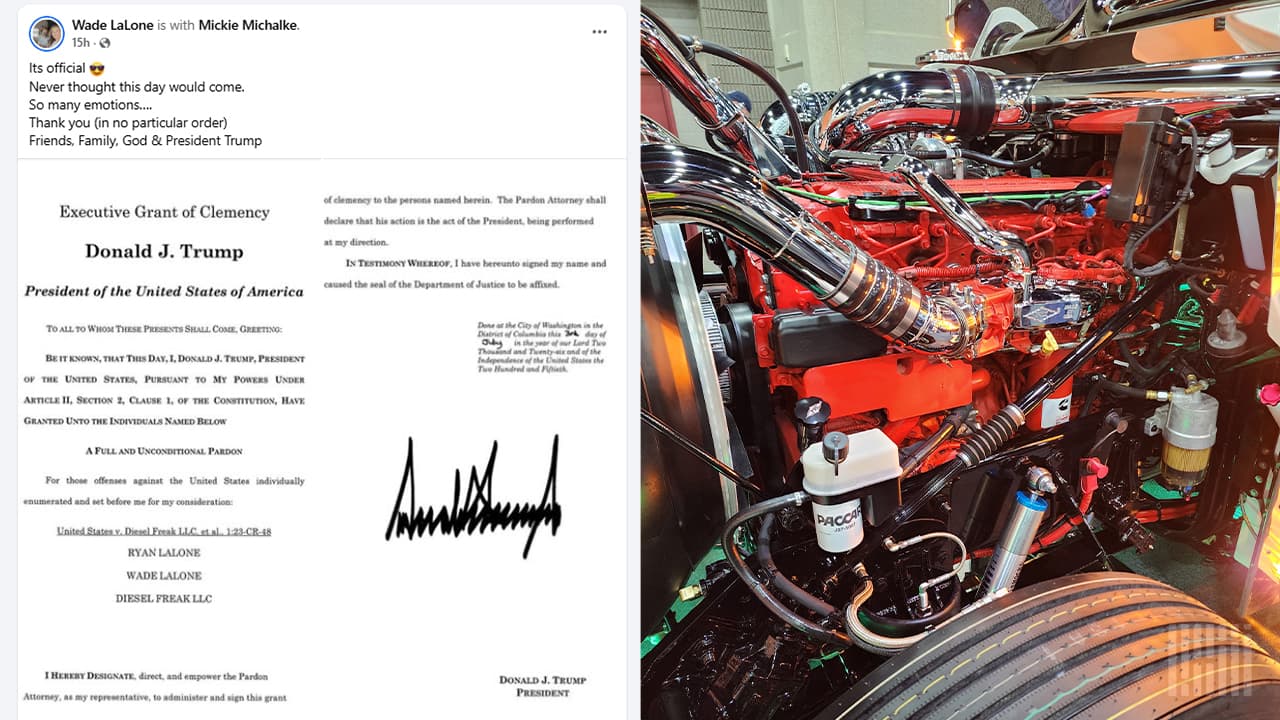
President Trump pardoned a dozen individuals convicted of Clean Air Act violations related to diesel emissions tampering, following the Justice Department's decision to end prosecutions in the sector.

Trump Pardons Diesel Emissions Violators as DOJ Halts Prosecutions

Photo via FreightWaves

In a significant policy shift, President Trump granted early pardons on July 3, 2026, to a dozen individuals previously convicted under the Clean Air Act for tampering with diesel emissions systems. According to FreightWaves, the action came months after the Justice Department announced it would cease prosecuting cases involving diesel emissions violations, marking a dramatic departure from prior enforcement priorities.

The rollback of enforcement efforts has left unresolved questions about the future of emissions control technology currently installed across the nation's truck fleet. Despite the technology remaining standard equipment on virtually every diesel vehicle on the road, policymakers have been reluctant to address the implications of reduced oversight, particularly regarding compliance costs and environmental accountability.

The policy reversal highlights ongoing tensions between regulatory enforcement and industry interests in the transportation sector. The pardon and prosecution freeze signal a fundamental shift in the administration's approach to environmental enforcement, though industry experts remain uncertain about long-term compliance requirements and the financial burden of maintaining existing emissions control systems.
Clean Air ActEmissions EnforcementDiesel IndustryRegulatory PolicyPresidential Pardon
Related Coverage