Photo via Fortune
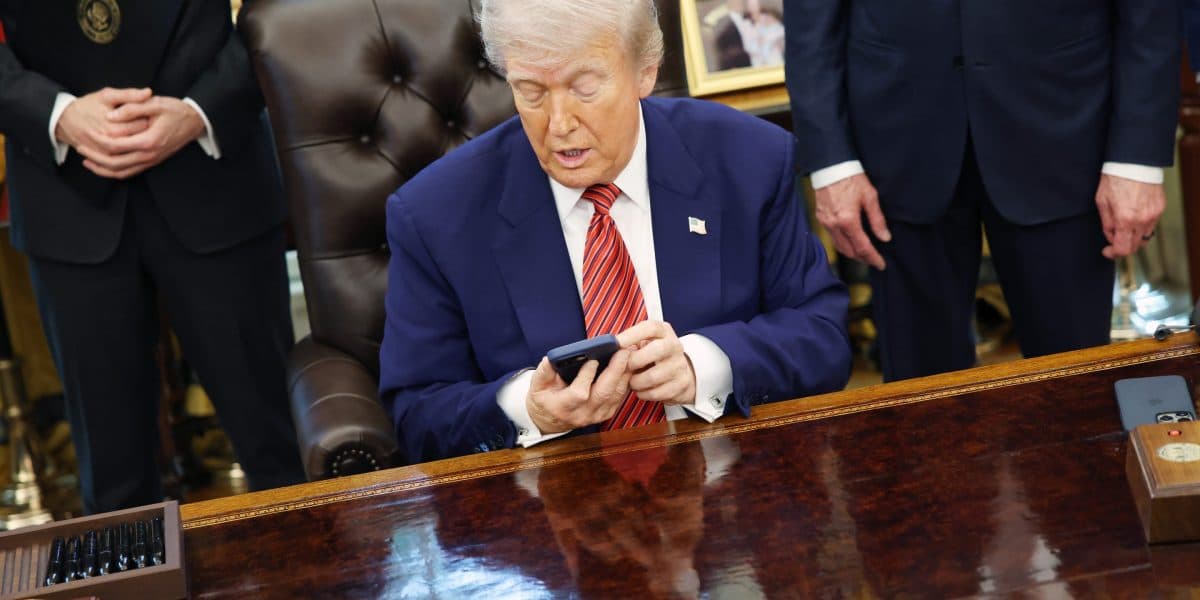
Trump Mobile has made significant modifications to its terms and conditions regarding its highly anticipated gold smartphone, according to Fortune. The updated language now states that customers who placed $100 deposits are receiving merely a 'conditional opportunity' to purchase the device—contingent on whether the company ultimately decides to manufacture it. This revision comes approximately one year after the company began accepting preorders for the luxury phone.
The shift in fine print represents a notable change in how the company is communicating product certainty to consumers. By reframing deposits as conditional rather than commitments to deliver, Trump Mobile has essentially preserved its legal right to abandon the project entirely without obligation to refund customers. Such practices highlight ongoing tensions between direct-to-consumer tech startups and consumer protection expectations in an era of increasingly complex product launches.
For Atlanta-area investors and entrepreneurs, this case underscores the importance of thoroughly vetting terms and conditions before committing capital to emerging technology ventures. Consumer-facing companies in the Southeast that rely on preorder models should note the regulatory scrutiny and reputation risks associated with unclear product delivery timelines, particularly as consumer protection agencies increasingly monitor digital commerce practices.
The situation raises broader questions about accountability in the startup ecosystem. As more companies adopt preorder models to fund product development, stakeholders—from investors to early adopters—would be wise to demand transparency regarding manufacturing timelines and financial safeguards. This case serves as a cautionary example of how vague contractual language can shield companies from liability while leaving customers with minimal recourse.