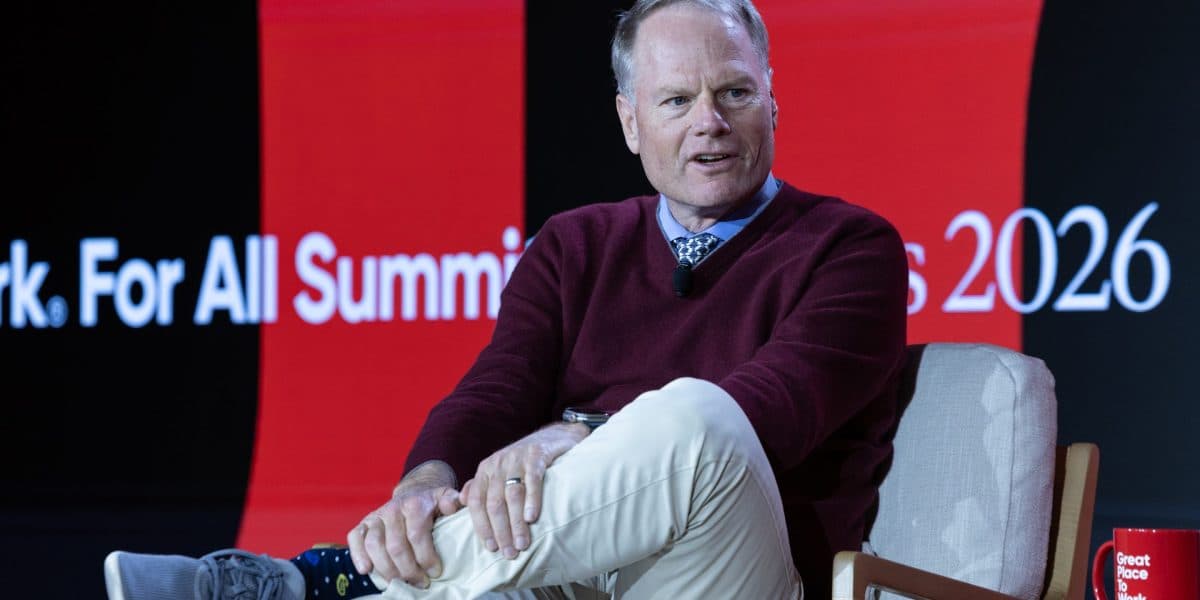
Photo via Fortune
According to Fortune, Trek Bicycle's CEO has developed an unusual leadership philosophy centered on deep learning and intentional disconnection from digital distractions. The executive commits to reading 52 books annually—roughly one per week—as a core practice for staying informed and sharpening strategic thinking. This disciplined approach to knowledge acquisition stands in sharp contrast to the constant smartphone connectivity that defines many modern boardrooms, offering Atlanta business leaders an alternative model for professional development.
The bicycle industry has faced significant headwinds following the pandemic boom that flooded the market with both new riders and inventory. Trek's leadership has had to navigate this "brutal" correction by reassessing business fundamentals and long-term positioning. For Atlanta-area manufacturers and retailers facing similar post-surge market consolidation, the CEO's candid assessment of industry challenges provides a realistic framework for strategic planning in sectors experiencing demand normalization.
The Trek leader also challenges conventional business wisdom, notably disagreeing with economist Milton Friedman's shareholder primacy doctrine. This philosophical stance signals a broader reckoning among business executives about corporate purpose beyond pure profit maximization. Atlanta companies—from established manufacturers to growing tech firms—are increasingly grappling with questions about stakeholder responsibility, employee welfare, and community impact alongside financial performance.
The CEO's rejection of generational labels and focus on individual merit offers perspective for Atlanta HR leaders and entrepreneurs building diverse teams. Rather than relying on demographic stereotyping, his approach emphasizes hiring and developing talent based on capabilities and values alignment. This nuanced view on workforce composition and organizational culture provides practical guidance for mid-market companies seeking competitive advantages through intentional talent strategies.