Photo via Fox5 Atlanta
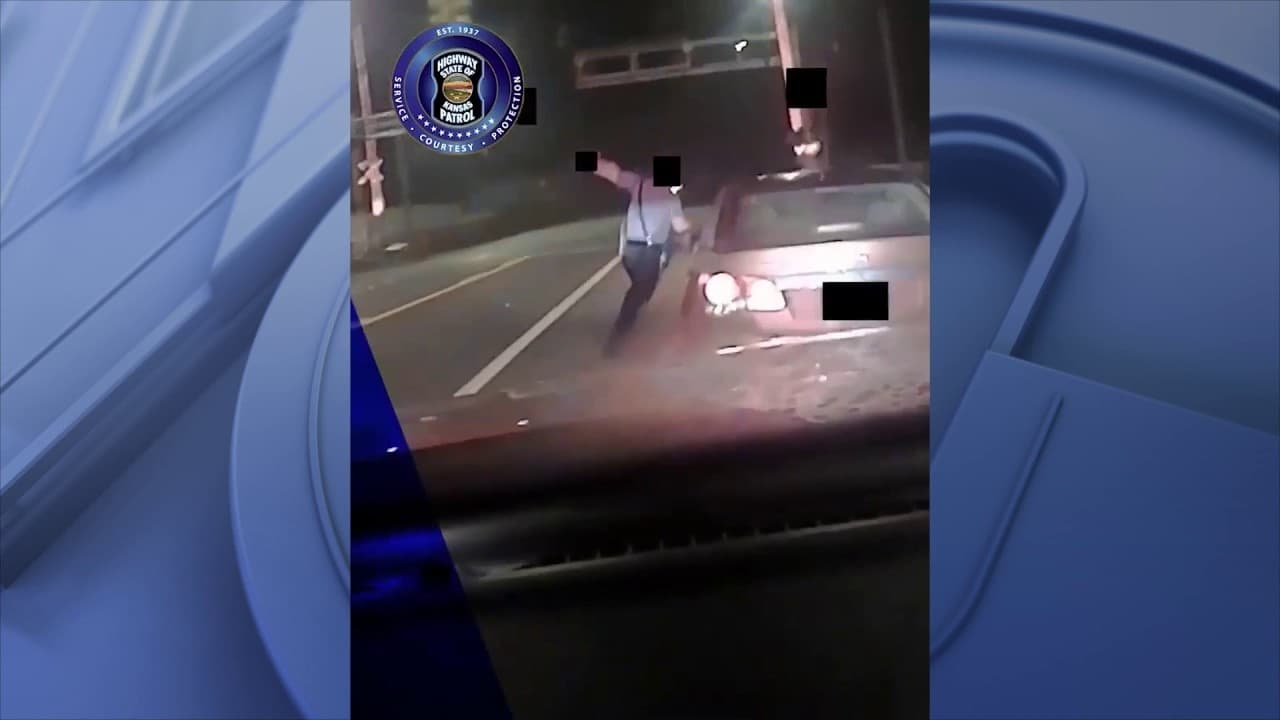
A Kansas Highway Patrol trooper recently experienced a dangerous situation when an impaired driver collided with his patrol vehicle during a routine traffic stop, according to Fox5 Atlanta. The incident underscores the unpredictable hazards that law enforcement officers face daily while performing standard duties on roadways.
For Georgia-based transportation and logistics companies, this incident reinforces the importance of comprehensive driver safety programs and impaired driving prevention measures. Employers operating commercial fleets share responsibility for road safety and must ensure their drivers understand the consequences of impaired operation.
Law enforcement agencies across Georgia and the Southeast continually refine traffic stop protocols to protect both officers and drivers. This Kansas incident serves as a case study for improving situational awareness training and vehicle positioning techniques that agencies throughout the region employ.
The broader implications extend to Georgia's transportation industry, where safety culture directly impacts operational costs, insurance rates, and employee retention. Businesses in logistics, delivery services, and transportation should leverage such incidents as opportunities to reinforce safety messaging and demonstrate commitment to protecting their workforce and the public.