The Trump administration has pursued an aggressive tariff strategy that continues to shift as legal rulings and economic pressures mount. According to reporting on the administration's trade policies, the president has repeatedly revised tariff schedules—sometimes in response to court decisions declaring certain levies illegal. This pattern of revisions underscores the complexity and volatility of current U.S. trade policy, leaving businesses scrambling to understand which duties will actually take effect.
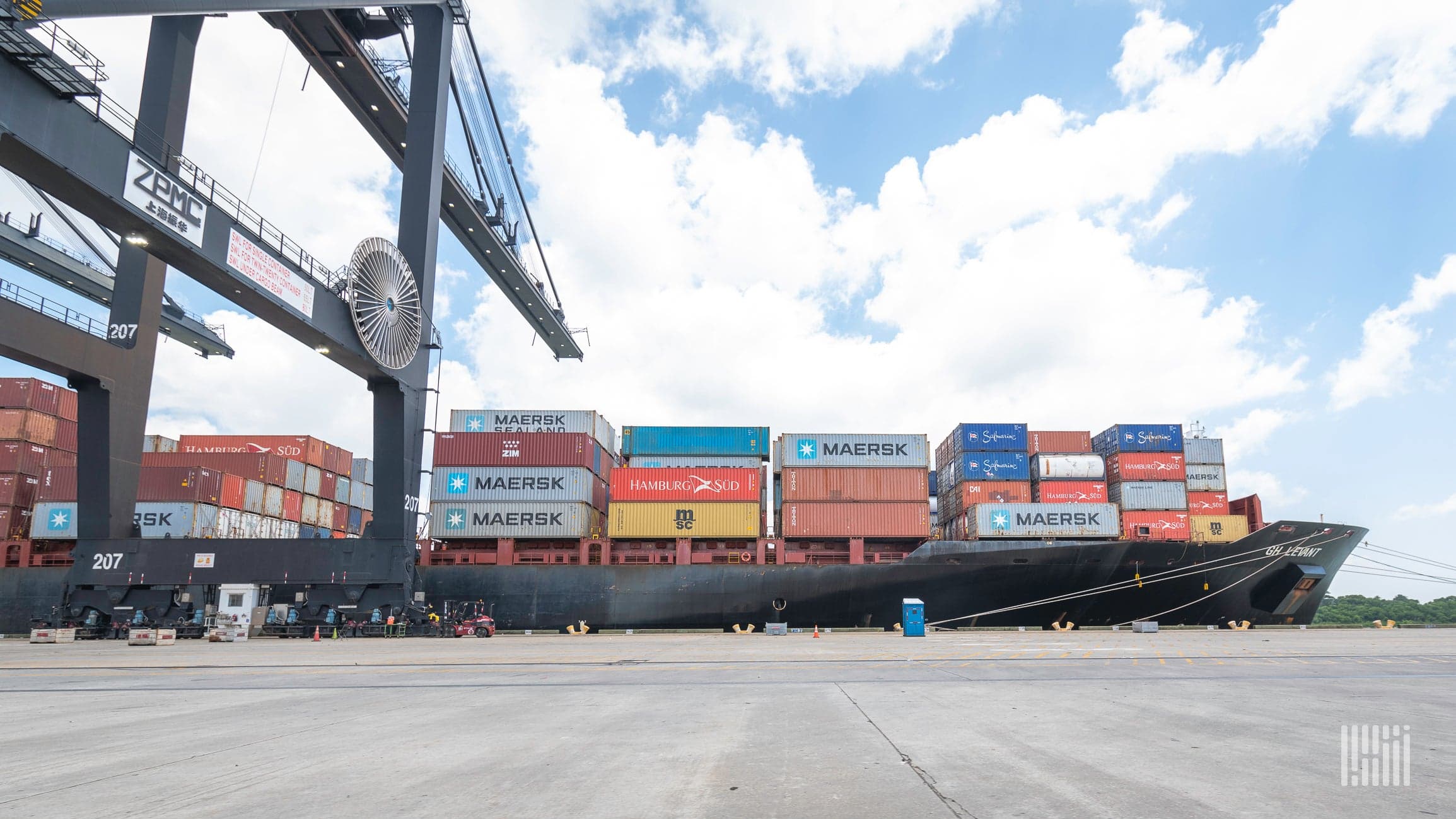
For Atlanta's business community, these tariff fluctuations carry real consequences. The city's strong logistics and import-export sectors, centered around Hartsfield-Jackson Atlanta International Airport and the Port of Savannah, face mounting uncertainty about input costs and supply chain expenses. Retailers and manufacturers operating in Georgia must constantly reassess their procurement strategies and pricing models as tariff rules change, making long-term planning increasingly difficult.
Legal challenges have already reshaped the tariff landscape significantly. Courts have invalidated certain tariffs on multiple occasions, forcing the administration to redraw its approach. This cycle of policy announcement, legal opposition, and revision creates a destabilizing environment for businesses that require predictable regulatory frameworks to make capital investments and hiring decisions.
Atlanta-area business leaders should monitor ongoing tariff developments closely, particularly any announcements affecting manufacturing, retail, and transportation sectors. Consulting with trade advisors and industry associations about compliance and mitigation strategies will be essential as additional tariff modifications are likely forthcoming. Companies should also consider how tariff costs might be absorbed, passed to consumers, or offset through supply chain restructuring.